
Protein has become a prominent selling point on everything from breakfast cereal to snack bars. That can make an ordinary lunch seem as though it needs an upgrade. Before buying a product with a bigger number on the front, it helps to look at the foods you already eat and what your meals are missing.
A practical approach begins with food, preference, and context. Protein matters, but the goal is not to make every item on your plate the highest-protein version available. It is to build meals that meet your needs, taste good, and fit the way you shop and cook.
Start with the food, not the claim
Protein foods include more than meat. Health Canada's 2026 guidance on protein foods includes beans, lentils, nuts, seeds, eggs, fish, poultry, dairy foods, and soy products. It encourages variety and regular inclusion of plant sources.
These foods bring different combinations of nutrients. Beans contribute fiber as well as protein. Dairy foods and fortified alternatives can contribute nutrients that depend on the product. The protein total is one useful detail, but it does not describe the entire meal.
Begin by naming a few options you enjoy. You might like eggs, lentils, yogurt, tofu, or fish. You do not need to like all of them. A short, realistic shopping list is more helpful than an ideal menu full of ingredients you will leave untouched.
There is no universal personal target
Protein requirements depend on factors including age, body size, health, and activity. Athletes, people recovering from illness, and people with particular medical conditions may need advice that differs from a general meal-planning article.
The NIH Office of Dietary Supplements discusses protein in its exercise and athletic performance fact sheet, accessed in 2026. Its guidance is written in the context of training and performance. A number recommended for that context should not automatically become a target for everyone who occasionally goes to the gym.
If you want a personal amount, ask a registered dietitian or clinician to explain both the target and its purpose. Mention your usual meals, activity, appetite, and any medical restrictions. A recommendation is more useful when you know how to translate it into food you can actually eat.
Avoid using tiredness, hunger, or a slow workout as proof of a protein deficiency. Those experiences can have many explanations. Persistent symptoms deserve a broader assessment rather than an automatic supplement purchase.
Give each meal a useful starting point
Look at breakfast, lunch, and dinner as separate practical decisions. Which meal is already easy? Which one tends to be improvised when you are busy? Start with the meal that creates the most difficulty.
If lunch is often toast eaten between meetings, consider an egg or bean-based topping and something fresh alongside it. If dinner is usually assembled from leftovers, decide which ingredient will provide protein before you begin heating everything. If breakfast works well as it is, leave it alone while you address the harder part of the day.
These are meal ideas, not a prescription to eat at fixed times or distribute identical amounts across meals. The point is to make a decision before you are rushed. A plan that suits your appetite and schedule will be easier to use than a rigid menu designed for someone else.
Make room for plant options
Plant foods can be part of the routine whether or not you eat animal foods. There is no need to announce a new dietary identity before trying a bean dish or learning how you like tofu prepared.
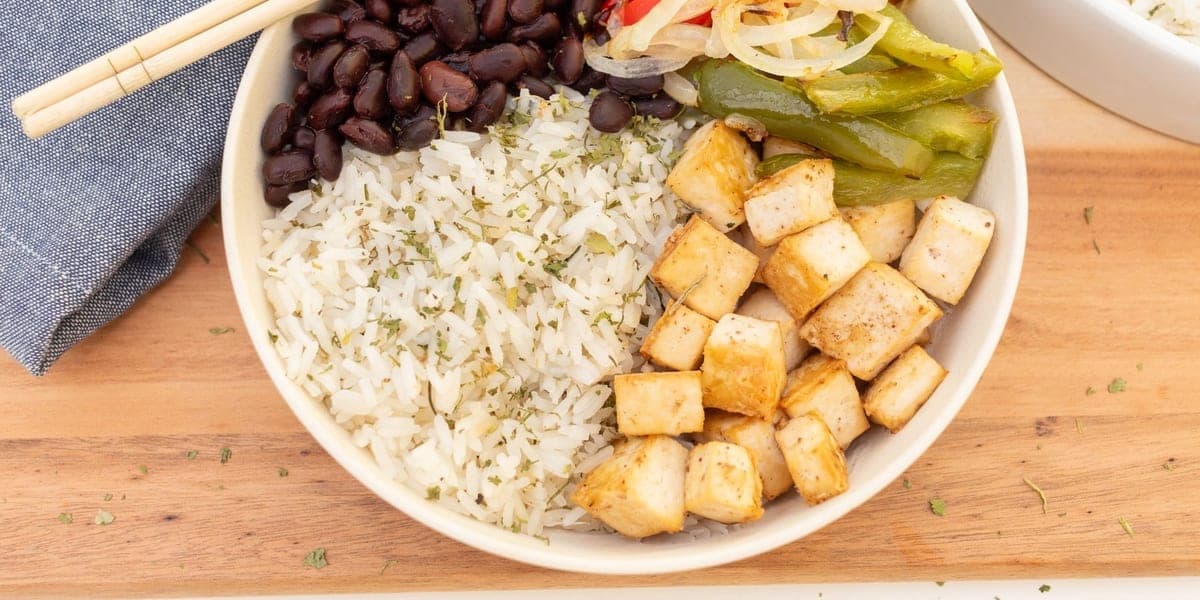
For example, a rice bowl can include tofu, vegetables, and a sauce you enjoy. A lentil dish might be the main part of dinner, with other foods alongside it. You could also keep your usual recipe and try a different protein ingredient on a day when you have time to experiment.
Health Canada's protein guidance notes that people eating only plant foods should also consider the wider nutritional pattern, including vitamin B12 from fortified foods. If you are planning a fully vegan diet, seek reliable advice about meeting all your needs. Protein is only one part of that conversation.
For more on the role of beans and other plant foods in everyday meals, see our guide to dietary fiber. Adding variety can serve more than one nutritional goal without requiring a new packaged product.
Read serving sizes before comparing numbers
The FDA's Nutrition Facts label guide, accessed in 2026, explains that the listed nutrients generally correspond to the stated serving size. Serving size describes an amount typically consumed, not a personalized instruction about how much you should eat.
When comparing two yogurts or ready meals, check whether their listed portions are comparable. Then consider the amount you are likely to eat. A larger printed protein number may simply reflect a larger serving.
Look beyond that one nutrient. Price, allergens, sodium, added sugars, and whether the food makes a satisfying meal can all matter. A bar may be convenient on a journey, but convenience does not establish that it is a better lunch than food you already enjoy.
When supplements or medical advice enter the picture
A protein powder may be convenient for some people, but it is not a requirement for starting exercise. The NIH performance fact sheet notes that many athletes can meet protein needs through foods. Whether a supplement is useful depends on the gap it is intended to fill.
Check with your clinician before adding supplements or following a high-protein protocol, particularly during pregnancy, while taking medicines, or with an existing condition. The National Institute of Diabetes and Digestive and Kidney Diseases explains in its chronic kidney disease nutrition guidance, accessed in 2026, that protein advice may need to be individualized and can differ for people receiving dialysis.
For your next grocery trip, choose a few protein foods that fit meals you already make. Plan where they will go, keep the rest of the meal in view, and ask for individualized help when needed. That is a more useful starting point than trying to win a competition between nutrition labels.