
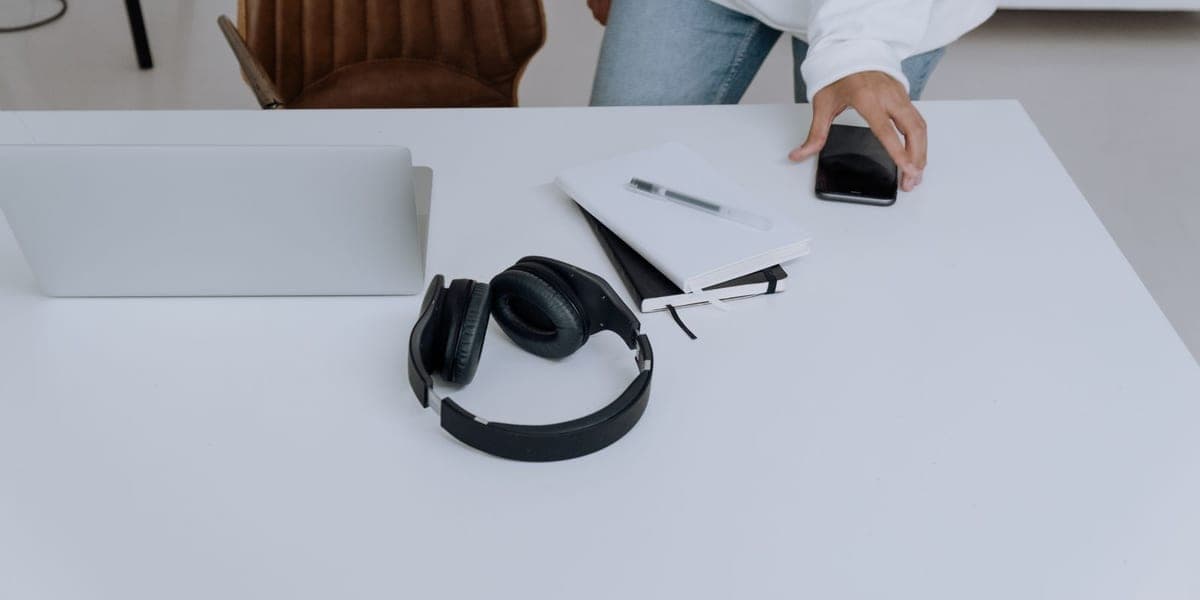
A podcast on the commute, music at a desk, a video while making dinner: headphones can be part of several ordinary stretches of the day. Looking after your hearing starts with noticing that whole pattern, rather than deciding whether one particular pair of headphones is “safe.”
Volume matters, but so does how long you listen and what other noise surrounds you. The practical aim is to make lower-volume listening easier and reduce avoidable loud exposure, while recognizing that headphones for entertainment and equipment for hearing protection have different jobs.
Look at the day before changing the device
The World Health Organization's safe-listening guidance, updated in March 2026, explains that risk depends on sound level, duration and frequency of exposure. Louder listening leaves less room for listening time.
Start with a simple account of yesterday. When did you use headphones? Were you trying to hear over a train, a busy office or household equipment? Did you leave audio running between the things you actually wanted to hear?
This is an observation exercise, not an exposure calculation. The length of a playlist cannot tell you the sound level reaching your ears. Still, it can reveal an easy change, such as turning audio off during a task where you are no longer listening to it.
Include noise outside headphones. A concert or a loud tool does not disappear from the picture because your morning podcast was quiet. Think about the sequence of activities rather than treating each one as a separate day.
Explore the settings when you are somewhere quiet
Open the sound or hearing section of your device settings. Look for headphone exposure information, volume limits or listening alerts. WHO recommends making use of safe-listening features when available.
Read what your particular device measures. Some estimates depend on compatible headphones; others may not capture every sound source or every device you use. A dashboard is a useful prompt to review your habits, not a medical test or a guarantee that no damage can occur.
Try the controls before your next journey. Find out whether a limit applies to headphones, speakers or both, and whether another device has separate settings. If you use a work computer and a personal phone, you may need to review each one.
Keep the routine simple enough to maintain. You might check settings when you pair new headphones or review a listening alert instead of dismissing it automatically. The useful outcome is understanding your equipment, not collecting another number to worry about.
Solve the background-noise problem
WHO advises lower-volume listening, well-fitting headphones and noise cancellation to reduce the temptation to turn sound up in noisy surroundings. Taking breaks in quieter places is another part of its advice.
Apply that principle to one recurring situation. If you keep increasing the volume on a bus, consider whether the headphones fit properly, whether a quieter part of the journey is available, or whether that is a better time to pause the audio.
A volume percentage is not a universal measurement of sound at your ear. Different combinations of device, recording and headphones can behave differently. Avoid treating one position on a slider as permission to listen indefinitely.
Be mindful of your surroundings as well. Choose your listening setup with the actual activity in mind, especially when you need to notice traffic, announcements or other people. There is no need to keep audio playing through every transition from one place to another.
Understand what noise cancellation cannot promise
Entertainment headphones are not automatically protective equipment for hazardous noise. The CDC's NIOSH hearing-protection guidance, published in 2024 and checked in September 2026, states that noise cancellation alone should not be considered hearing protection unless the product is labeled with a noise reduction rating.
For noisy tools or work, use protection appropriate to the task and follow the relevant instructions. At work, ask the employer about the noise-control plan, training and suitable equipment. Choosing headphones that make the environment seem quieter is not a substitute for that process.
Fit and consistent use matter for actual hearing protectors, too. If you cannot get them to fit comfortably or do not understand the instructions, ask for help instead of guessing. A product's rating does not describe the protection you personally achieve in every situation.
Keep those tasks separate in your shopping or equipment list. “Headphones for calls” and “hearing protection for noisy work” may involve different products and different requirements.
Do not wait for obvious difficulty before changing habits
The US National Institute on Deafness and Other Communication Disorders explains in its noise-induced hearing-loss guidance, checked in September 2026, that damage can happen suddenly or develop gradually. Some changes may be difficult to notice at first, and loud sound can harm hearing at any age.
That means “I can still hear the television” is not a reliable exposure check. It also means a temporary sense that your ears have recovered after a loud event should not become a reason to repeat the same exposure without changes.
If you notice persistent ringing, increasing difficulty following conversations or other hearing concerns, arrange a hearing assessment. Describe when the symptoms occur and the environments where listening is difficult. Bring any relevant workplace noise information or device exposure records as supporting context, rather than as a self-diagnosis.
Know the exception that should not wait
A sudden loss of hearing, sometimes noticed in one ear on waking or developing over a few days, needs immediate medical attention. NIDCD's guidance on sudden deafness, checked in September 2026, treats this as a medical emergency. Do not assume it is earwax or congestion and wait for a routine appointment.
For everyday prevention, choose one practical change today. Set up an available listening limit, pause audio during a noisy part of your route, or organize suitable hearing protection before using loud equipment.
Then check whether the change works in real life. A useful listening routine should make enjoying sound easier while giving your ears fewer unnecessary loud exposures. It does not require silence, expensive equipment or a perfect tracking record.
Photo: cottonbro studio on Pexels.