
Most people do not need convincing that washing their hands is useful. The harder part is fitting it into the moments when dinner is underway, a child needs help, the soap dispenser is empty or the nearest sink is inconvenient.
A workable routine focuses on those moments. It combines a familiar washing method with supplies you can reach and a clear understanding of when hand sanitizer is useful. It does not require trying to make every object around you sterile.
Connect handwashing to a task
The CDC's handwashing guidance, published in 2024 and checked in September 2026, identifies key times: around preparing and eating food; after toilet use, diaper changes, coughing or nose-blowing; after handling animals, pet food or garbage; and before and after wound care or caring for someone with vomiting or diarrhea.
Choose the moments that regularly occur in your day. A person who prepares meals may need a clear pause between handling raw ingredients and serving food. Someone caring for a child may need supplies arranged so helping at the sink is straightforward.
Use a task as the reminder. “Before I start lunch” is easier to act on than a vague intention to be more hygienic. The reminder works best when the practical setup is ready too.
If you share a home, agree on a few simple expectations without turning them into a running commentary on each other's behavior. A stocked sink and a clear routine are more useful than repeated criticism.
Refresh the method once
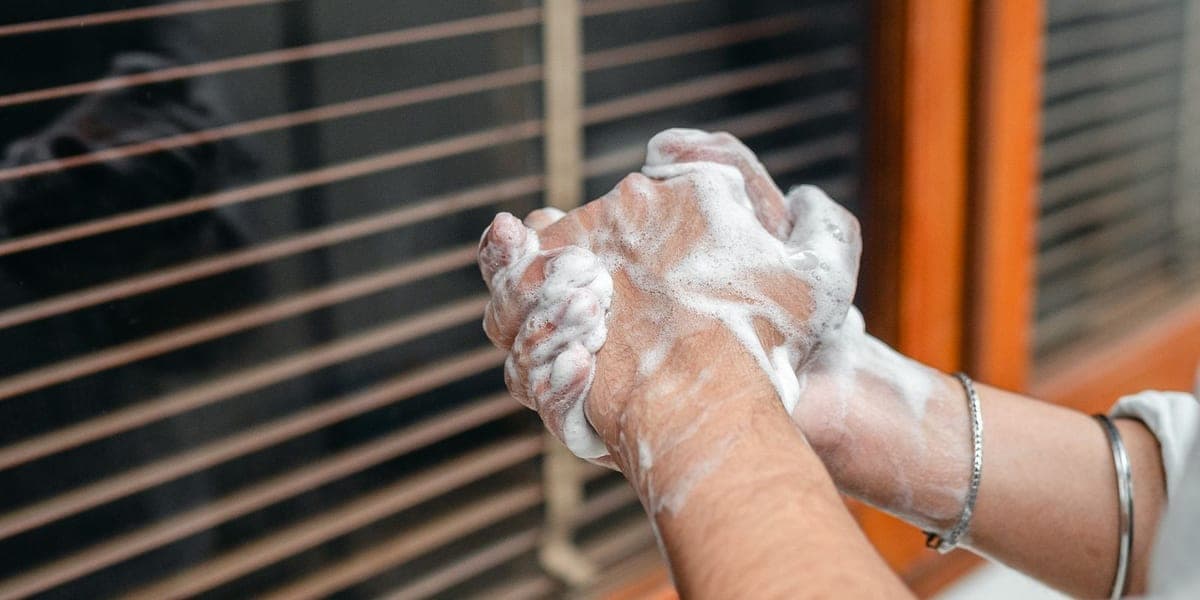
CDC guidance recommends wetting hands with clean running water, applying soap and lathering all surfaces, including the backs of the hands, between fingers and beneath nails. Scrub for at least 20 seconds, rinse, then dry with a clean towel or air dryer.
The scrubbing time is the part worth noticing. A quick touch of soap followed immediately by rinsing can feel like a completed task even when you have barely rubbed your hands together.
Try timing the lathering and rubbing stage once, simply to learn what 20 seconds feels like. You do not need to use a phone or timer every time afterward. Pay attention to coverage as well as the clock.
The CDC's hand-hygiene FAQ, checked in September 2026, says warm or cold water is suitable. Water does not need to be painfully hot. Ordinary handwashing works through the washing process; scalding your skin is not the goal.
Make the sink usable for the people using it
Look at the setup from the position of each person who needs it. Can they reach the soap, operate the tap and find a clean drying option? Is the basin blocked by household items?
If gripping or reaching is difficult, ask an occupational therapist or relevant care professional about adaptations. A product that looks convenient in a photograph may still be awkward for a particular hand movement or mobility aid.
Keep replacement soap where the person responsible for restocking can find it. In a shared household, deciding who checks supplies may solve more than adding another reminder sign. A dispenser that is empty every few days is a supply problem.
For children or anyone needing assistance, keep the routine patient and predictable. Explain the next step and help as needed. Avoid making the sink a place where every attempt turns into a test they are expected to fail.
Give sanitizer the right role
According to the CDC's hand-sanitizer recommendations, published in 2024, a product containing at least 60% alcohol is an option when soap and water are unavailable. Check the label, use enough to cover the hands and rub until dry without wiping it off early.
Sanitizer does not reliably handle every situation. It works less well on visibly dirty or greasy hands, does not remove all harmful chemicals, and is less effective than soap and water against some germs, including norovirus.
That makes the choice task-dependent. After gardening with visibly dirty hands, plan to wash rather than assuming a small squeeze of gel completes the job. When out and about without a sink, a correctly used sanitizer can serve a useful purpose.
Supervise young children using it so they do not swallow it. Follow the label and storage instructions. Putting a bottle in a bag is only helpful when you also know what it contains and how it is meant to be used.
Do not confuse different kinds of wipes
A packet's convenience does not tell you its purpose. The CDC FAQ explains that baby wipes are not a reliable substitute for handwashing to remove germs. Surface-disinfecting wipes are intended for surfaces and should not be used on skin.
Read the intended use before buying or opening a product. Keep household cleaning products clearly identified, especially when packing supplies for a trip or setting them out for another caregiver.
The same caution applies to homemade sanitizer recipes. CDC does not recommend making your own because incorrect preparation can produce an ineffective or harmful product. There is no need to turn ordinary hand hygiene into a mixing project.
If the water supply is under an advisory, follow the instructions from your local water utility or public-health authority. The particular advisory matters; general advice on a household product cannot replace it.
Solve the recurring barrier
Think about the last time washing was awkward. Was the problem lack of time, lack of soap, a hard-to-use tap or uncertainty about where to wash before eating away from home?
Choose a specific response. You might check for a handwashing facility before unpacking a picnic, keep soap on the regular shopping list or leave the basin clear before beginning food preparation. The change should address the real obstacle.
If skin discomfort is making you avoid washing, ask a pharmacist or clinician for advice rather than simply abandoning the routine. Persistent cracking, soreness or a rash deserves attention.
Then keep the focus on ordinary key moments. A useful handwashing habit should fit around cooking, caregiving and daily life with as little unnecessary friction as possible. Clear supplies, a complete wash and an appropriate backup are a solid place to begin.
Photo: Ketut Subiyanto on Pexels.