
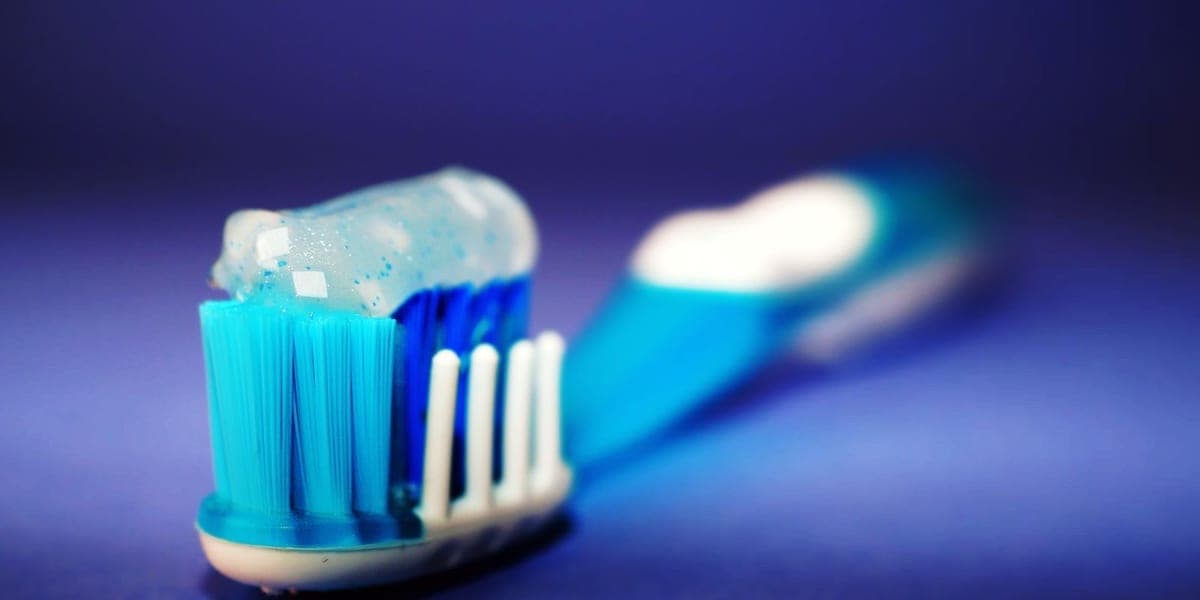
Dental care is easy to do on autopilot. You pick up a toothbrush, move it around while thinking about something else, and remember the floss only when an appointment is approaching. A useful reset starts with the parts of the routine that matter, followed by the practical details that make them easier to carry out.
This guide focuses on everyday care for adults. If you have implants, dentures, braces, a recent procedure, or an individual treatment plan, your dental team can explain the adjustments you need.
Give brushing a clear place in the day
The National Institute of Dental and Craniofacial Research's oral-hygiene guidance, accessed in September 2026, recommends brushing twice daily with fluoride toothpaste and cleaning between teeth regularly, aiming for once a day. It also recommends routine dental care and professional cleaning.
Brushing removes plaque from tooth surfaces. Use gentle movements and cover all sides rather than scrubbing forcefully at the most visible teeth. If you are unsure whether your technique reaches the areas it needs to, ask a dentist or hygienist to demonstrate.
The NHS guidance on keeping teeth clean, accessed in September 2026, advises brushing for about two minutes, including last thing at night and on another occasion. After brushing, spit out excess toothpaste without rinsing immediately with water, which would wash away the concentrated fluoride left on the teeth.
Think about when your evening routine becomes rushed. If you repeatedly fall asleep before brushing, look at the sequence of the evening rather than buying a more complicated product. Keep the essentials accessible and decide where brushing fits before tiredness takes over.
Choose tools you can use comfortably
A toothbrush has to fit your mouth and your hands. The NHS notes that both manual and electric brushes can work well when used effectively. Features such as a timer may be useful, but the most expensive model is not a substitute for covering the teeth carefully.
If gripping a handle, lifting an arm, or reaching the back teeth is difficult, mention it. Your dental team can discuss adaptations. You do not need to explain away an inaccessible routine as a lack of motivation.
Before replacing everything, identify the problem you want a purchase to solve. Are you rushing? Is the handle uncomfortable? Is the brush head awkward to position? A specific answer helps you compare products more usefully than a long list of advertised modes.
Check the condition of your current brush, too. NIDCR advises replacing it when the bristles become worn. Put replacement heads or brushes on your shopping list before the current one is clearly past useful service.
Make cleaning between teeth manageable
In its expert discussion of flossing, accessed in September 2026, NIDCR explains that cleaning between teeth reaches areas a toothbrush misses. It describes modest benefits for plaque or gum inflammation in short-term studies while acknowledging limits in the long-term evidence.
That is more accurate than claiming flossing guarantees protection from every dental or general health problem. The practical goal is to clean areas that need attention using a method appropriate for your mouth.
If string floss is difficult, ask about alternatives such as interdental brushes, a floss holder, or a water flosser. NIDCR's oral-hygiene guidance describes these options. A hygienist can help with fit and technique, particularly around dental work. Do not force a tool through a tight space or assume every gap needs the same size brush.
Ask for a demonstration, then try the movement yourself while you can still ask questions. Knowing what to do in theory and being able to reach an awkward tooth are different things. A short conversation about the difficult spot can be more useful than repeatedly struggling with the whole routine at home.
Notice dry mouth and other changes
The NIDCR dry-mouth guide, accessed in September 2026, explains that saliva helps protect the mouth and that persistent dryness can increase the risk of tooth decay. Medicines and health conditions can contribute, so ongoing symptoms deserve discussion.
Tell your dentist if your mouth frequently feels dry, if eating is uncomfortable, or if the change began around a new medicine. Do not stop a prescription yourself. Your dentist and prescriber can help identify appropriate next steps.
Keep a brief note of when the problem occurs and what makes it difficult. You might notice it overnight, during long conversations, or with particular foods. These observations help describe the issue without trying to diagnose its cause.
Avoid assuming that a stronger mouthwash will solve every symptom. Ask what a product is intended to do and whether it suits your circumstances. If a dental professional recommends an additional fluoride product or other treatment, follow the instructions they give for your needs.
Use appointments to solve practical problems
Bring two or three questions to your next visit. You could ask which areas you are missing, which between-teeth tool fits, and when you should return. Check-up timing should reflect the dental team's assessment rather than a schedule copied from someone else.
If cost or anxiety has kept you away, tell the practice when arranging care. Ask about fees, treatment priorities, and ways to make the appointment more manageable. You can request an explanation before each step or discuss a signal for a pause.
Seek prompt dental advice for persistent pain, swelling, or bleeding gums. Do not wait for a routine appointment if symptoms are worsening. The NHS emergency dental guidance, accessed in September 2026, identifies severe swelling with difficulty breathing as an emergency requiring immediate help.
For an everyday reset, choose one unresolved difficulty and address it directly. Replace the worn brush, ask for the demonstration, or book the overdue visit. A workable routine grows from clear actions and appropriate care, with less guesswork about what your mouth needs.
Photo: George Becker on Pexels.