
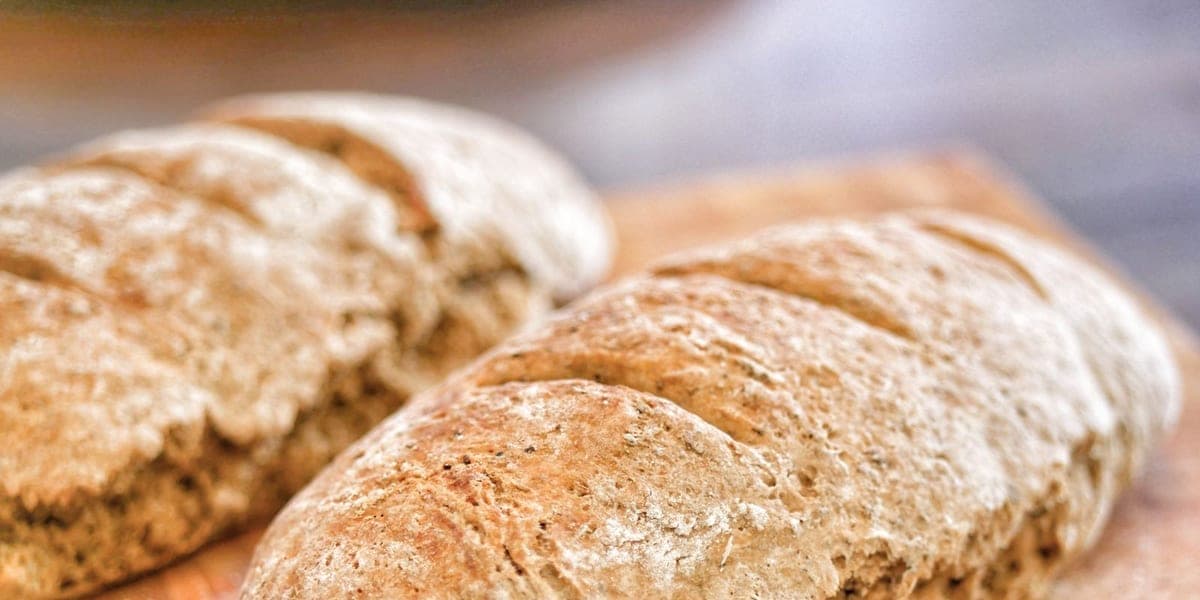
A dark loaf, a bag covered in seeds and a cereal labeled multigrain can all look like whole-grain choices. Appearance is a poor shortcut, though. The information that matters is usually on the ingredient list, and the best choice for dinner also has to work with your tastes, budget and available time.
Whole grains are a broad group of familiar foods, not a specialty diet. You might already use oats or brown rice without thinking of them as a category. Understanding the term helps you choose deliberately without replacing every bread, pasta or rice dish you enjoy.
What makes a grain whole?
Mayo Clinic's 2025 guide to whole grains explains that whole grains retain the bran, germ and endosperm. Refining removes the bran and germ, along with much of the fiber and some nutrients. Enrichment adds certain nutrients back, but generally not the lost fiber.
Whole-grain flour is still whole grain even though the kernel has been ground. Brown rice, oatmeal and whole-wheat bread are examples. The word describes which parts of the grain remain, rather than whether the finished food looks coarse or has visible seeds.
This distinction is useful at the shelf. A loaf can be finely textured and still contain whole-grain flour. A rustic appearance, on the other hand, does not tell you the proportions of the ingredients. You need not become a baker to check which flour the manufacturer used.
Read the ingredients before judging the color
Mayo Clinic notes that bread color can come from ingredients such as molasses. Its guidance recommends looking for whole grains near the beginning of the ingredient list, where ingredients present in larger amounts appear.
Compare the actual grain wording across products. “Whole-wheat flour” gives different information from “wheat flour.” If you are uncertain about a product, check the maker's information rather than guessing from the photograph on the package. A bakery can also explain the flour used in a loaf.
Consider this hypothetical comparison: one loaf lists whole-wheat flour first, while another lists wheat flour first and several seeds later. The second loaf may be something you enjoy, but the seeds alone do not answer your question about the flour. Keep the decision tied to what you are trying to find.
Choose a food, not a badge
The whole-grain ingredient is one part of the product. You can also compare its nutrition information, cost, serving size and taste. A label claim does not make every version of a food interchangeable or mean you must buy the largest bag.
Take breakfast cereal as an example. First establish which grains it contains. Then compare the other information that matters to you using similar serving amounts. If one serving is much smaller, the printed numbers will not describe the same quantity of breakfast.
Avoid asking a single food to carry your entire eating plan. A bread you like may be useful because it turns a quick lunch into something you will actually prepare. A more expensive loaf that goes uneaten is unlikely to become a dependable household choice.
Begin with the meal you already make
Pick one regular meal and decide where a grain fits. For breakfast, that might be oats prepared according to the package. For lunch, it might be a sandwich made with a whole-grain loaf you have tried. For dinner, it could be a rice side or pasta.
Change one component before redesigning the whole plate. Keep a familiar sauce or topping so you can judge the new grain's flavor and texture. If you dislike the result, ask whether it was the grain itself, the cooking method or simply an unfamiliar combination.
You could try a small pack first or share a loaf with someone who wants to compare it too. Write down the brand or type if it works. Remembering a specific successful purchase is more useful on a busy shopping trip than a vague intention to choose differently.
Match cooking time to the evening
Read preparation instructions before putting a new grain on the menu. Two products with similar names can require different cooking times, water amounts or equipment. A meal plan is easier to follow when those details match the time you actually have.
If your evenings are short, compare convenient versions rather than assuming everything must be cooked from scratch. Check the ingredients and instructions on ready-to-heat products. Convenience and thoughtful selection can coexist.
For a new pasta, use the package timing as a starting point and check the texture before serving. For a grain side, keep a brief recipe note with the amount of water and the result. This is ordinary cooking feedback, not a requirement to track everything you eat.
Keep choice and dietary needs in view
Whole grain does not mean suitable for every allergy or medically required diet. If you have celiac disease, a wheat allergy or specific digestive advice, follow your clinician or dietitian's guidance and check the relevant labels. Do not use a general whole-grain recommendation to override an individualized eating plan.
Likewise, do not begin a restrictive diet, supplement or nutrition protocol without discussing it with your clinician, especially during pregnancy, with medications or with an existing condition. You can ask for examples that fit the foods available where you shop.
If a change causes persistent digestive symptoms, seek advice rather than assuming discomfort must be the price of eating differently. Describe what changed and how you feel so a professional can help you assess it.
Make one useful comparison this week
Choose a bread, cereal or grain you buy often. Read its ingredients, compare one alternative and decide how you would use it. Keep the portion and preparation method realistic for your household.
There is room for a range of grain foods in ordinary meals. The practical skill is recognizing what you are buying and knowing how to prepare a version you enjoy. That is a stronger foundation than choosing by color, collecting unfamiliar packets or chasing the most impressive claim on the shelf.
Photo: Pexels. Bread appearance alone does not establish whole-grain content.