
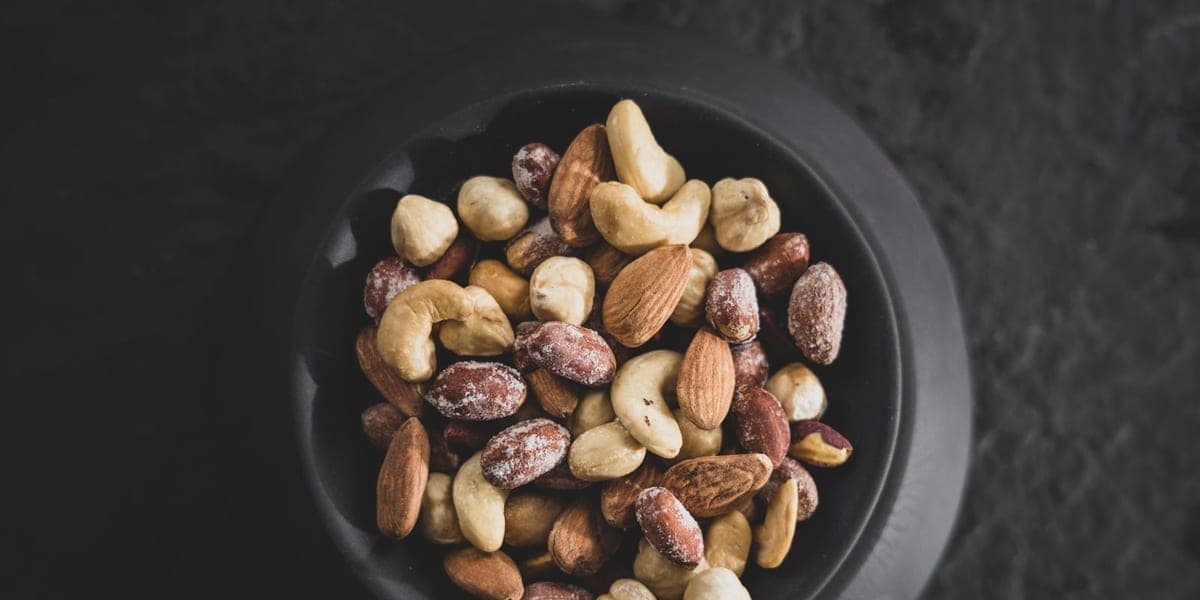
A bag of nuts can be an easy snack, a useful cooking ingredient or something that sits untouched behind the cereal. The difference often comes down to having a plan for it. You do not need an expensive mixture or a special wellness recipe to make nuts part of ordinary meals.
The American Heart Association includes unsalted nuts in its guide to healthy eating habits, checked in October 2026. They can contribute protein, fats and other nutrients within a varied eating pattern. That makes them an option worth considering, not a food everyone must eat or a shortcut to a particular health outcome.
Start with taste, suitability and the meals you already make.
Choose a job before choosing a bag
Think about where you want nuts to fit. A snack for a commute, a topping for breakfast and an ingredient for a sauce may call for different forms. Whole nuts are convenient to carry, chopped nuts are easy to sprinkle, and a smooth butter can be stirred into other ingredients.
For example, if your usual breakfast is oatmeal, you might try chopped walnuts alongside fruit. If you often make noodles, peanut butter could become the base of a sauce. If neither sounds appealing, there is little reason to buy both just because they appear on a healthy shopping list.
Choose one familiar meal and one small change. This gives the purchase a destination and makes it easier to decide whether you actually like the result.
You can also leave nuts out. Dietary preferences, allergies, cost and texture needs matter more than completing a list of fashionable ingredients.
Look at the whole product
Plain nuts, heavily salted mixes and sweet coatings are different products. The American Heart Association's 2023 guidance on nutrient-dense foods suggests unsalted nuts as one snack option and emphasizes the overall eating pattern.
Read the ingredient list and nutrition panel together. If you are comparing sodium or added sugars, check that the serving sizes are comparable. A smaller stated serving can make a number look lower without changing the food itself.
For a mixture, notice what is actually in the bag. You may enjoy dried fruit or chocolate with nuts, but the name on the front does not tell you the balance of ingredients. Buy it as the combination it is, rather than expecting every mix to serve the same purpose.
At home, a bowl or small container can help you see the amount you are serving. There is no need to treat the serving size on a package as a personalized prescription. Your appetite, the rest of the meal and any dietary guidance you follow still matter.
Compare nut butters without a price-based hierarchy
A premium jar is not automatically a better match for your diet. Compare the ingredients, sodium and added sugars, then consider taste and how you will use it. A familiar peanut butter may suit your breakfast better than an expensive specialty spread.
Check preparation and storage directions too. Some jars need stirring or refrigeration after opening. Choose a format you can manage comfortably, particularly if gripping a jar or stirring a stiff mixture is difficult.
For cooking, think about flavor. A strongly sweetened spread may not give the result you want in a savory sauce. A crunchy version can change the texture of a dish even when the main ingredient is the same.
USDA's MyPlate protein-food guidance, checked in October 2026, includes nuts and nut butters among vegetarian protein options. It also encourages variety. A spoonful of nut butter can contribute to a meal without needing to replace every other protein food you eat.
Build a few meals from familiar ingredients
A breakfast idea could be toast with a thin spread of nut butter and sliced banana. Another could be yogurt with chopped nuts and fruit. Use versions and textures that suit your needs, and adjust the rest of the meal to your appetite.
For lunch, chopped nuts can provide a contrasting texture in a grain salad. Try them with ingredients you already enjoy rather than building an entirely new dish around an unfamiliar recipe. Keep the nuts separate until serving if that makes leftovers more appealing.
At dinner, a simple nut-butter sauce can be mixed with water and seasonings that fit the dish. Add the liquid gradually so you can control the texture. If you use a recipe, check its other ingredients as well; the presence of nuts does not determine the character of the whole meal.
These are culinary suggestions, not a required menu. Pick the option that solves an actual problem, such as making a familiar lunch more enjoyable or keeping a practical snack available.
Let budget and storage shape the purchase
Compare the price for the same weight, not just the price of the bag. Whole, chopped and broken pieces may be priced differently. If you plan to chop the nuts anyway, appearance may matter less than cost.
A larger package is useful only if you will use it. Before buying one, name a few realistic occasions when it would be opened. If the answer depends on recipes you have never made, a smaller pack may be a better first purchase.
Follow the package's storage instructions and close it properly after use. If you move the contents into another container, keep enough label information to identify the product, ingredients and relevant dates.
For a shared kitchen, label the container clearly. A plain jar of nut butter should not become a mystery spread that someone else has to identify by tasting.
Keep allergy and texture needs explicit
The FDA's food allergy guidance, checked in October 2026, identifies peanuts and tree nuts as major food allergens. People with a diagnosed allergy should follow their care plan and avoid the relevant foods. Do not use a general nutrition article as a reason to try an allergen.
When cooking for others, ask about requirements before choosing a nut-based dish. Keep original labels available and take cross-contact precautions appropriate to the person's allergy plan. Simply picking visible nuts off a finished meal does not make it suitable.
If chewing or swallowing is difficult, ask your clinician or dietitian about appropriate textures. Smooth nut butter is not automatically safe for every swallowing difficulty, and the NHS advises against whole nuts for children under five because of choking risk (guidance checked in October 2026).
For a medically restricted diet, get advice about choices and amounts. The National Kidney Foundation's nuts and seeds guidance, checked in October 2026, explains that kidney-related advice depends on individual circumstances. The most useful purchase is one you can enjoy and use safely within your own circumstances.
Photo: Pexels.