
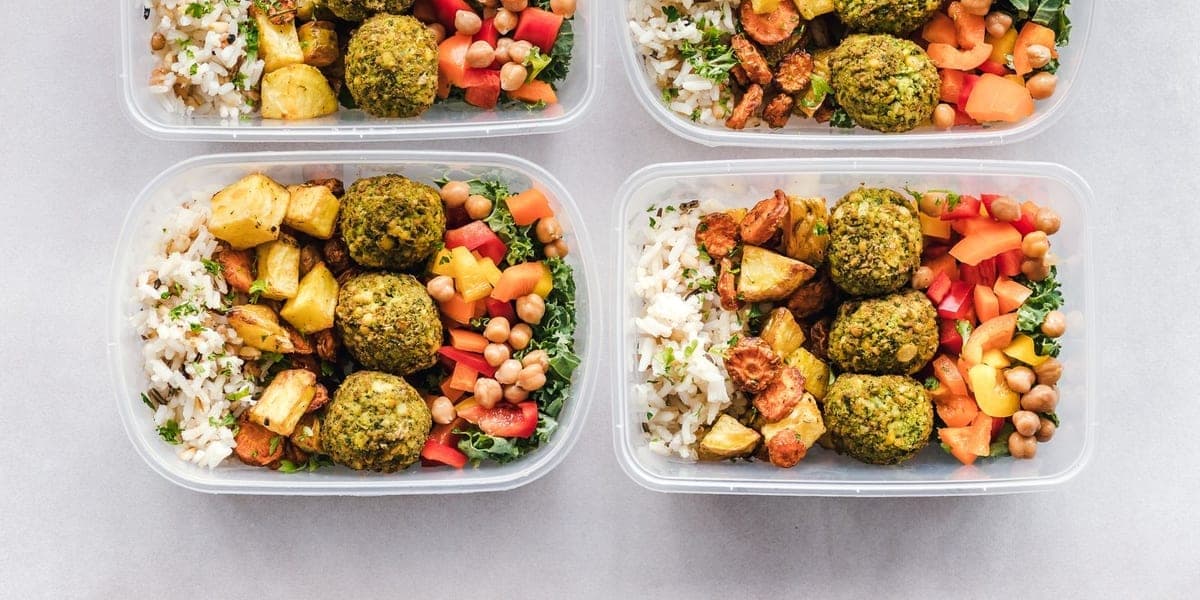
Leftovers work best when the plan starts before the kitchen is cleaned. A container tucked behind the milk with no date can become a daily guessing game. A portion labeled and put away promptly is much easier to turn into lunch.
Food safety depends on how food has been handled, not simply how recently you remember eating it. This guide uses US food-safety guidance, checked in September 2026, and focuses on ordinary cooked leftovers. Follow any stricter instructions for a particular food or product, and use local guidance if it differs.
Put storage on the dinner checklist
The US Department of Agriculture's leftovers guidance advises refrigerating perishable food within two hours, or one hour when the surrounding temperature exceeds 90°F, about 32°C. Divide large quantities into shallow containers for faster cooling rather than leaving a large pot on the counter.
Most cooked leftovers can be kept refrigerated for three to four days under appropriate conditions. If you will not use them in that period, freeze them promptly. Food left out beyond the recommended limit should be discarded, not saved by reheating.
Make the practical part easy before you cook. Find suitable containers and matching lids, clear space in the fridge and decide who will put the food away. This is especially useful after a gathering, when everyone assumes someone else has dealt with the serving dishes.
Label the food while you know its history
Write the food name and cooking date on each container. If you are freezing a portion, add that date too. A short label is enough to prevent several people from reaching different conclusions about when something was made.
Use a format everyone in the household understands. A date such as “16 September” is clearer across different date conventions than an ambiguous string of numbers. Keep the pen or labels near the containers so this step does not depend on finding stationery after dinner.
For a meal brought home from elsewhere, record what you know rather than inventing a preparation date. If someone gives you food, ask when it was cooked and how it has been stored. An uncertain history is a reason to be cautious, not a puzzle that smell can solve.
Check the fridge, not just the dial
The Food and Drug Administration's refrigerator guidance recommends keeping the refrigerator at 40°F, about 4°C, or below and the freezer at 0°F, about minus 18°C. An appliance thermometer helps establish the temperature rather than relying only on a numbered control.
The FDA also warns that food can be unsafe without looking or smelling spoiled. Tasting a little is not a safety test. When the storage history is doubtful, do not use an acceptable smell as proof that the food is safe.
Place labeled leftovers where you can see them without crowding the fridge. A designated area can be useful, but it does not need a special organizer. Keep raw foods contained and separate from ready-to-eat food. The point is a workable arrangement that makes safe handling easier.
Give each portion a realistic destination
Decide whether a portion is tomorrow's lunch, another dinner or something for the freezer. “We will probably eat it” is easy to say while cooking and easy to forget when the week changes.
Check the next few days before saving a large batch for the fridge. If you are away or already have other meals planned, freeze suitable portions early. You do not need identical meals lined up for an entire week to benefit from cooking once.
Portioning can also help you reheat only what you intend to eat. Choose containers that suit the amount you normally want, while following safe cooling guidance. If lunch includes separate cold and hot components, pack them separately so reheating is straightforward.
Reheat with a temperature check
FoodSafety.gov's advice for restaurant leftovers recommends reheating leftovers to 165°F, about 74°C, checked with a food thermometer. In a microwave, distribute food evenly and stir during heating to reduce cold spots. Soups, sauces and gravies should reach a boil.
Use a container appropriate for the appliance and follow its instructions. Check more than one area of a mixed dish rather than assuming the hottest edge represents the center. A meal that feels warm on the outside is not a complete temperature assessment.
Keep the thermometer accessible and know how to use and clean it. If you are taking lunch to work, find out what reheating facilities are available before planning the meal. A lunch plan should fit the equipment you actually have.
Plan the journey home
Restaurant leftovers need a prompt route to refrigeration. FoodSafety.gov advises skipping the takeaway box if you will be out for a long time afterward. A stop at the cinema or a warm car can turn a useful meal into food you should not keep.
For a packed lunch, arrange appropriate cold storage during travel and at your destination. Do not assume the office refrigerator will have space or that a long commute counts as refrigerator time. Ask in advance if you are visiting an unfamiliar workplace.
Keep the same habits when someone else is eating the food. Share the label information and storage instructions rather than handing over an anonymous container. Clear communication is part of the meal preparation.
Reduce waste by improving the next batch
If leftovers repeatedly go uneaten, use that information when planning quantities. Cook a smaller amount, freeze earlier or choose a dish you enjoy reheated. There is no benefit in repeatedly storing food until you feel guilty about discarding it.
Make a brief check before shopping: what is available, what has a reliable date and what can safely become the next meal? Do not extend a storage window simply because wasting food feels uncomfortable.
A successful leftovers routine ends with food you can identify, store properly and use in time. Containers and labels support that routine; they cannot reverse unsafe handling. Start with the next dinner and make putting it away part of finishing the meal.
Photo: Pexels.