
The vegetables you meant to cook can be easy to forget at the back of the fridge. By the time a busy evening arrives, chopping and using them may feel like another task. A bag in the freezer or a can in the cupboard offers a different kind of convenience: produce that can wait until you have a plan for it.
Frozen and canned options deserve a place in that plan. Choosing between them and fresh produce is often a question of the meal you want, the storage you have, and what you will actually use.
Fresh is one option among several
The US Department of Agriculture's MyPlate vegetable guidance, accessed in September 2026, includes fresh, frozen, canned, and dried vegetables. These forms all count. You do not have to buy everything from the fresh-produce aisle to include vegetables in your meals.
USDA's 2024 guide to planning for healthy eating and savings also identifies frozen and canned options as potentially just as healthy as fresh. That is useful reassurance, but it does not mean every product has an identical nutrient profile or ingredient list.
Plain frozen peas and peas in a prepared sauce are different products. Canned peaches in water and peaches in heavy syrup also come with different ingredients. Compare the food you are buying, rather than treating the preservation method as a complete nutritional verdict.
Read the part of the label that answers your question
Start with the ingredient list. Is this simply the vegetable, or does it include a sauce, seasoning, or other additions? Then look at the nutrition information for the amount you expect to use. Comparing two labels is easier when their serving sizes are similar.
For vegetables, sodium may be one useful comparison. For fruit, check whether sugar has been added and what liquid the fruit is packed in. USDA's budget meal guide, accessed in September 2026, treats fresh, frozen, and canned produce as nutritious choices and discusses selecting canned fruit by its packing liquid.
You can choose a product that fits the meal without declaring every alternative off limits. A seasoned blend may be convenient when you want a quick side dish. A plain blend offers more control when you are adding your own sauce. If you follow an individual nutrition plan, use its priorities when comparing labels.
Buy for a meal you recognize
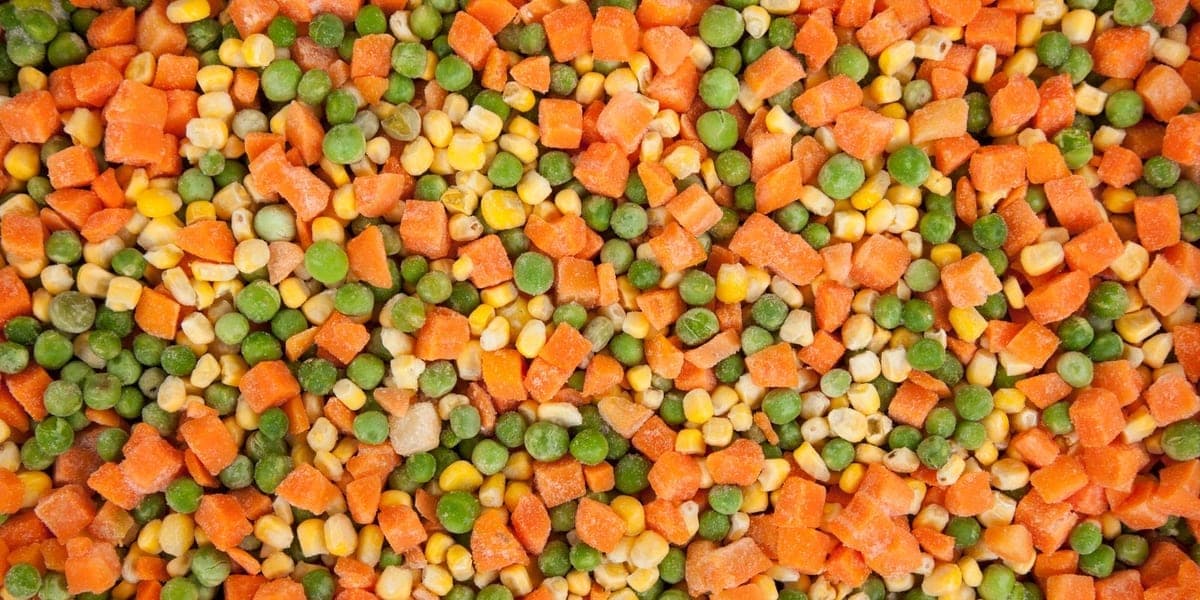
Before choosing a large bag, name two meals you could make with it. Frozen mixed vegetables could accompany rice and eggs or go into a soup. Canned tomatoes could form a pasta sauce or a bean stew. Canned fruit might work with breakfast or as a dessert you already enjoy.
These are meal ideas, not precise recipes. Follow the product's preparation instructions, and use a reliable recipe when you need cooking times or a particular method. The point is to give the purchase a job before it enters the kitchen.
Think about texture, too. A soft vegetable may work beautifully in a soup without providing the crunch you wanted in a salad. If you dislike one preparation, try a different dish before deciding that the ingredient itself is the problem. Equally, there is no need to keep buying a blend nobody in your household enjoys.
Match the package to your storage
A large frozen bag can be useful when you can take out what you need and keep the rest properly frozen. It is less useful when the freezer is already packed or the bag will not close securely. Check the space before buying, especially if you share a small freezer.
Canned options can be helpful where freezer space is limited. Consider whether you can use the contents in one meal or have a plan for the remainder after opening. An unopened can and an opened one have different storage needs; read the label rather than assuming shelf stability continues once the seal is broken.
Compare the unit price if the store provides it, then consider how much you are likely to eat. A cheaper large package is not automatically better value when half of it goes unused. Keeping a short cupboard and freezer list can also prevent buying a third bag of something you already own.
Frozen does not always mean ready to eat
The FDA's food-storage guidance, accessed in September 2026, emphasizes following cooking instructions on commercially frozen food. Freezing is not a substitute for any cooking the manufacturer requires.
That matters when an ingredient looks ready to toss into a cold dish. Check the package first. If it directs you to cook the product, follow those directions rather than assuming thawing alone is enough. Keep packaging available until you have finished preparing the food so you can check the method and timing.
The FDA's safe-food-handling guidance, accessed in September 2026, recommends keeping hands and surfaces clean, separating raw foods from ready-to-eat foods, cooking appropriately, and chilling perishables promptly. Convenience foods still need ordinary food-safety care.
Build a small reserve you will use
You do not need an elaborate pantry overhaul. Pick one frozen vegetable and one canned item that suit your current meals. Put them somewhere you can find them, record the meals you intend to make, and use them before expanding the collection.
After a week or two, ask practical questions. Did the bag reseal? Was the texture right for the dish? Did the portion fit your household? Was preparation manageable after work? Those answers are more useful than buying an aspirational freezer full of unfamiliar ingredients.
Fresh, frozen, and canned produce can work together. Keep the fresh ingredients you enjoy using promptly, and give the longer-lasting options a regular role. A useful kitchen is one that makes the next meal possible, including on the days when there is little time to plan.
Photo: Tohid Hashemkhani on Pexels.