
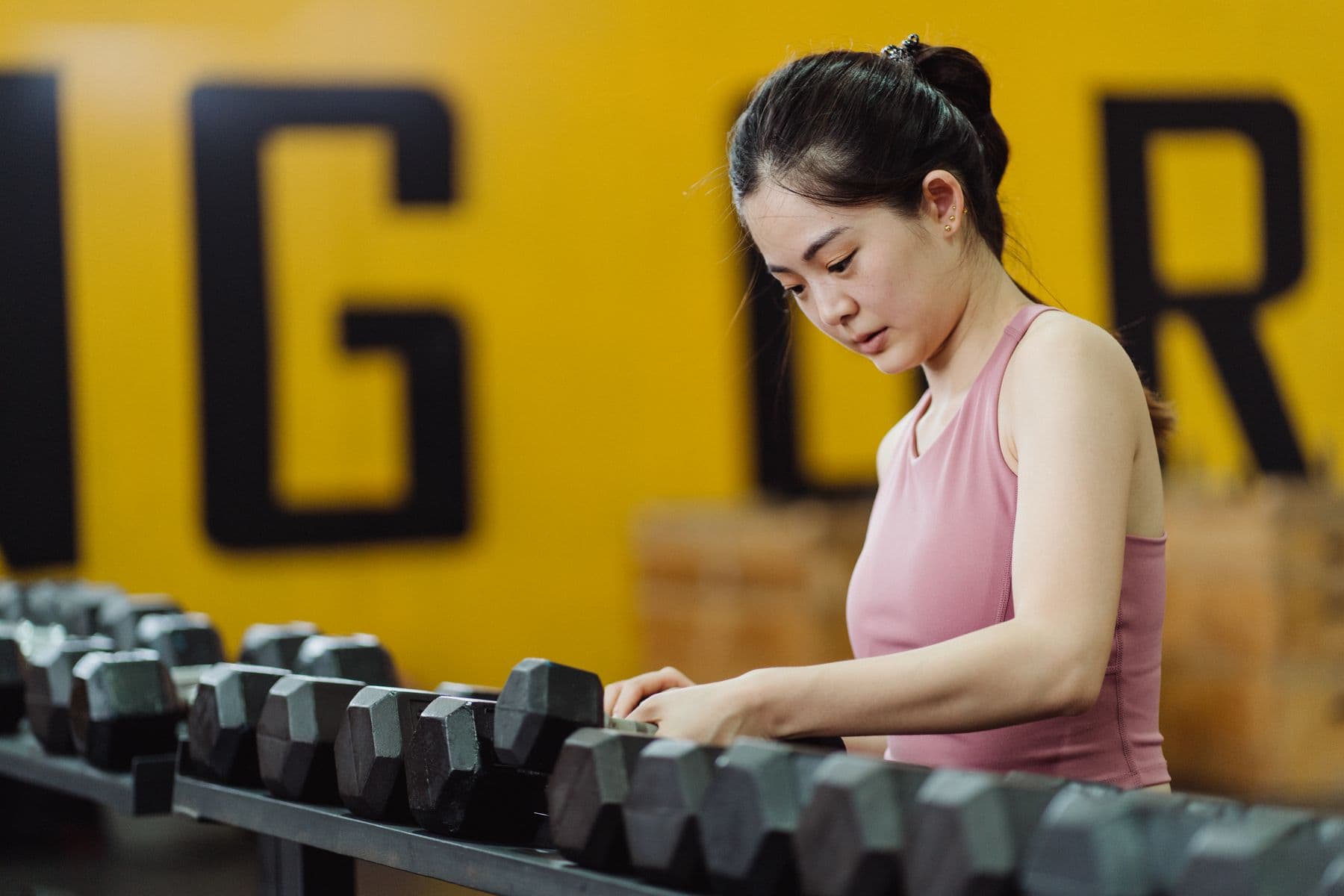
Your first month of strength training does not need a dramatic before-and-after photograph. A more useful outcome is knowing how to do a few exercises, which equipment you feel comfortable using, and where two sessions could fit into an ordinary week. Those are the foundations you can return to when enthusiasm is less reliable than your calendar.
It is reasonable to feel unsure at first. Exercise names can sound like another language, and an unfamiliar gym can make even simple questions feel awkward. You are allowed to start with instruction, light resistance, and a short list of movements. Learning the setup is part of the work.
What counts as strength training?
Strength training asks your muscles to work against resistance. That resistance can come from weights, machines, bands, or your own body. The Centers for Disease Control and Prevention includes these options in its 2023 guide to muscle-strengthening activity.
A repetition is one complete movement. A set is a group of repetitions. CDC describes eight to twelve repetitions as one example of a set, with at least one set per activity and more sets offering additional benefits. You do not need to treat those numbers as a first-day exam. Appropriate effort depends on the exercise, your experience, and your health.
The broader CDC adult activity guidance, accessed in 2026, recommends muscle-strengthening work on at least two days a week, covering the major muscle groups. It also recommends aerobic activity. Lifting and walking can have complementary places in a week; doing one does not automatically cover every aspect of the other.
Choose a setting you can actually use
Start with access. A gym near work may be convenient for one person and an unrealistic expense for another. A home routine can reduce travel, while a gym may offer instruction and a wider choice of equipment. Neither setting earns extra credit.
If you choose a gym, ask for an equipment orientation. Have someone show you the seat adjustments, starting position, and way to end an exercise safely. Record the machine settings if that helps. At home, clear enough space to move and follow the manufacturer's instructions for any equipment, particularly band attachments.
Before starting a new exercise protocol, check with your clinician if you are pregnant, recovering from an injury or surgery, taking medication that affects exercise tolerance, or managing an existing condition. A physical therapist or appropriately qualified exercise professional can help adapt movements when pain, balance, or mobility is a concern.
Learn movements before chasing numbers
A practical starting conversation with an instructor is about movements: sitting down and standing up, bending at the hips, pushing, pulling, and keeping the trunk controlled. Exercise names matter less than finding versions you can perform comfortably and understand.
Possible teaching examples include standing from a sturdy chair, practicing a hip hinge without weight, doing a wall push-up, and using a seated rowing machine. These are examples to discuss and adapt, not a complete routine that suits every reader. A wall push-up may be appropriate for one beginner; someone else may need a different option for their wrists or shoulders.
Ask the instructor three things for each exercise: where you should feel the effort, what a controlled repetition looks like, and how to make it easier. If the explanation is unclear, ask for another demonstration. It is better to leave with three exercises you understand than ten names you cannot remember.
Week one: make the session familiar
Use the first week to learn your chosen exercises and the practical details around them. Where will you keep your shoes? When is the gym quiet enough to ask questions? Which appointment in your calendar is genuinely available?
Begin each session with easy movement and practice the exercises at a comfortable level before adding a challenging load. Keep the focus on control. Stop if you experience sharp pain, and seek medical help for concerning symptoms such as chest pain, fainting, or unusual severe breathlessness.
Write down what you did in plain language: the exercise, resistance, repetitions, and anything you want to ask about next time. This is a memory aid. You do not need an elaborate dashboard or a public progress post.
Week two: repeat the basics
Return to the same manageable selection rather than replacing everything with a new workout. Familiarity lets you spend less attention on instructions and more on how the movement feels. Two separated session days can be a practical calendar arrangement, leaving time between them to see how you recover.
If soreness makes normal activities difficult, discuss reducing the workload before increasing it. Soreness is not a score you need to maximize. Note whether the routine fits around work, caregiving, and sleep as well as whether you completed it.
A missed session does not require a punishment workout. Find the next workable slot and continue. The month is a learning period, not a streak that becomes worthless when interrupted.
Weeks three and four: adjust one thing
Once an exercise feels controlled and the current version is becoming easier, ask whether a small increase in resistance or repetitions makes sense. Change one variable at a time so you can understand the result. Increasing every weight, adding sets, and shortening rests together makes that harder.
There is no requirement to progress every session. Repeating the same workload can be the right decision when you are still learning or when life is demanding. A useful question is whether you can finish the exercise with deliberate movement, rather than whether you beat your previous number.
At the end of the month, review the routine itself. Which exercises need another demonstration? Which session time worked? What equipment was worth using? These answers help shape your next month more clearly than comparing your appearance with someone else's.
Leave room for a normal life
You can begin without buying a supplement stack or specialist wardrobe. If you do consider a performance supplement, discuss it with a clinician or pharmacist. The National Center for Complementary and Integrative Health's performance-supplement guidance, accessed in 2026, describes safety concerns with some products marketed for bodybuilding.
Give yourself permission to keep the routine uncomplicated. Choose the sessions, learn the movements, and keep a few useful notes. The first month has done its job when returning for the next one feels understandable and achievable.