
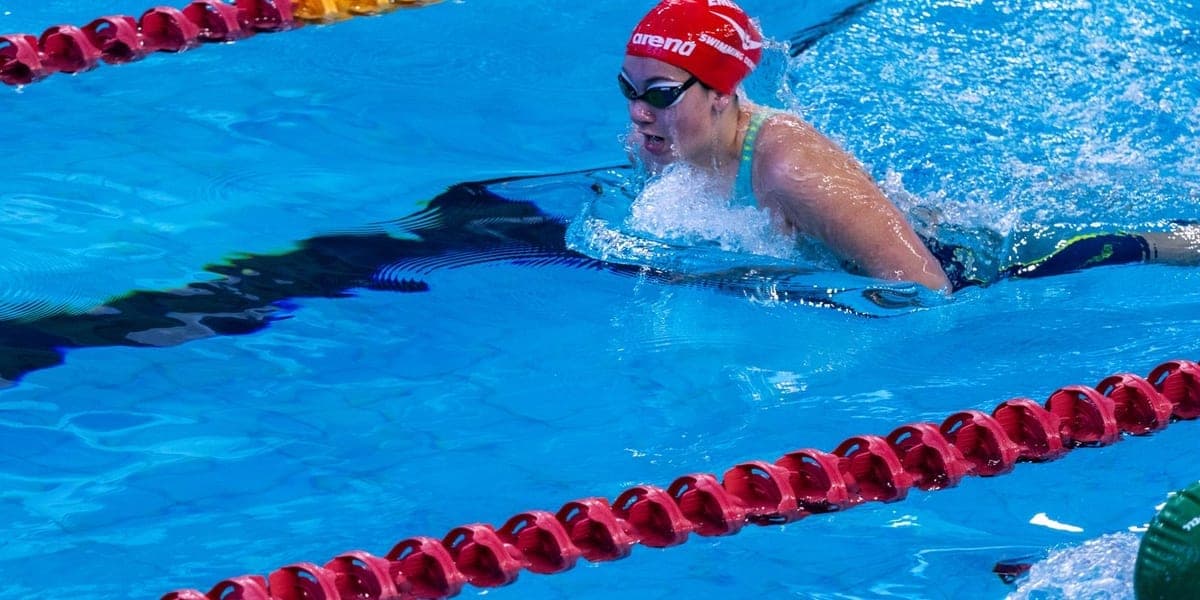
Returning to swimming can involve more than finding your goggles. You may be unsure which session to book, whether you still feel confident in deeper water or how much swimming will be comfortable after time away. Those questions are worth answering before setting a distance goal.
Treat the first visit as a chance to find an appropriate setting and an achievable starting point. For some people that means an adult lesson. For others it means a short, easy swim or an instructor-led water exercise class. The best choice depends on your skills, health, confidence and access needs.
Choose the activity before the target
Swimming lengths, water walking and aquatic exercise classes are different activities. A pool timetable may use unfamiliar names, so ask what a session actually involves and which abilities it assumes.
The CDC's 2024 overview of swimming and health describes physical and mental health benefits of water-based activity. It also notes that exercising in water can be helpful for some people with joint conditions. That does not mean every stroke or class is appropriate for every person.
If you are managing a condition, recovering from an injury, pregnant or unsure how to restart exercise, discuss the activity with your clinician or physical therapist. Ask about the movements, setting and support that suit your circumstances.
You can tell a pool instructor what you have been advised without trying to convert medical guidance into a workout yourself. If the class cannot accommodate your needs, finding that out before booking is useful.
Refresh safety skills as well as fitness
Being comfortable in water years ago does not answer every question about your current ability. Tell an instructor honestly how long it has been and which parts feel uncertain.
The American Red Cross swimming safety guidance, checked in September 2026, recommends swimming with a buddy in designated areas supervised by lifeguards. Lessons can help people of different ages develop water competence.
If you cannot swim confidently or manage a safe exit, book instruction rather than testing yourself alone. A buoyancy aid or exercise float does not replace supervision and appropriate skills.
Ask staff which entry and exit points are suitable. Steps, ladders, ramps and pool lifts offer different forms of access. If you need assistance, arrange it in advance so you know who will help and how.
Confidence can grow through familiarization, but it should not depend on pushing into water deeper than you can manage. Tell the instructor where your comfort ends.
Check the practical details before leaving
A short call or message can prevent an awkward first visit. Ask about booking, lane speeds, adult beginner sessions, accessibility, changing facilities and any equipment rules.
If you are returning after a difficult experience in water, mention that when enquiring about lessons. Ask whether the instructor can discuss your concerns before the session.
Pack around the facility's requirements: swimwear that allows comfortable movement, a towel, suitable poolside footwear and any items staff say you need. Goggles may make the experience more comfortable, but buying specialist training equipment can wait.
Leave time for changing and finding your way around. A session that looks convenient on paper may need a larger space in your day once travel and getting ready are included.
If possible, visit the reception area before your planned swim. Knowing where to go can remove one practical uncertainty without committing you to entering the water that day.
Keep the first session easy to adjust
Before starting, agree with yourself or your instructor that the first visit does not need to recreate an old workout. You are learning what is manageable now.
Choose a comfortable pace and take breaks where it is safe and permitted. Ask about lane etiquette, including where to pause and how swimmers pass, rather than guessing from what the fastest person is doing.
Do not try underwater breath-holding challenges or deliberately hyperventilate. The Red Cross water-safety guidance, checked in September 2026, specifically identifies these hazards and advises knowing your limitations and swimming sober.
If you feel unwell, stop and alert the lifeguard or instructor. Chest pain, faintness or severe breathing difficulty require immediate assistance. Do not try to finish a length to satisfy a target when something feels wrong.
A useful first-session note might be “the quieter lane worked well” or “I need help with breathing technique.” Those observations give your next visit a purpose beyond doing more.
Include healthy-swimming habits
Pool water is treated, but it is not instantly free of every germ. The CDC's 2025 guidance on preventing swimming-related illness advises staying out of the water when you have diarrhea, showering before entry and avoiding swallowing pool water.
People with weakened immune systems should discuss swimming with their healthcare provider. Follow medical advice about wounds, recent surgery or other reasons to delay entering the water.
Check the facility's current health guidance and any posted closure or inspection information. A canceled session is inconvenient, but choosing another day is part of a sustainable routine.
Make time to change afterwards and deal with your wet kit. If the logistics leave you rushed and uncomfortable, adjust the booking rather than assuming you lack motivation.
Decide what would make a second visit easier
Afterwards, ask three practical questions: did the session match your ability, did you feel appropriately supported and does the timetable fit your life?
If the answer to any is no, change the arrangement. Try a beginner lesson, a different instructor, a quieter session or another accessible facility. Repeating an unsuitable setup is not a requirement for building a habit.
Keep progress specific. You might aim to understand the pool layout, become comfortable with the entry steps or learn one technique with an instructor. A distance target can come later if it serves your goals.
Swimming is easier to return to when the next visit feels clear and manageable. Start with the conditions that let you participate safely, then build the activity around the experience you actually have.
Photo: Dany Goldraij on Pexels.