
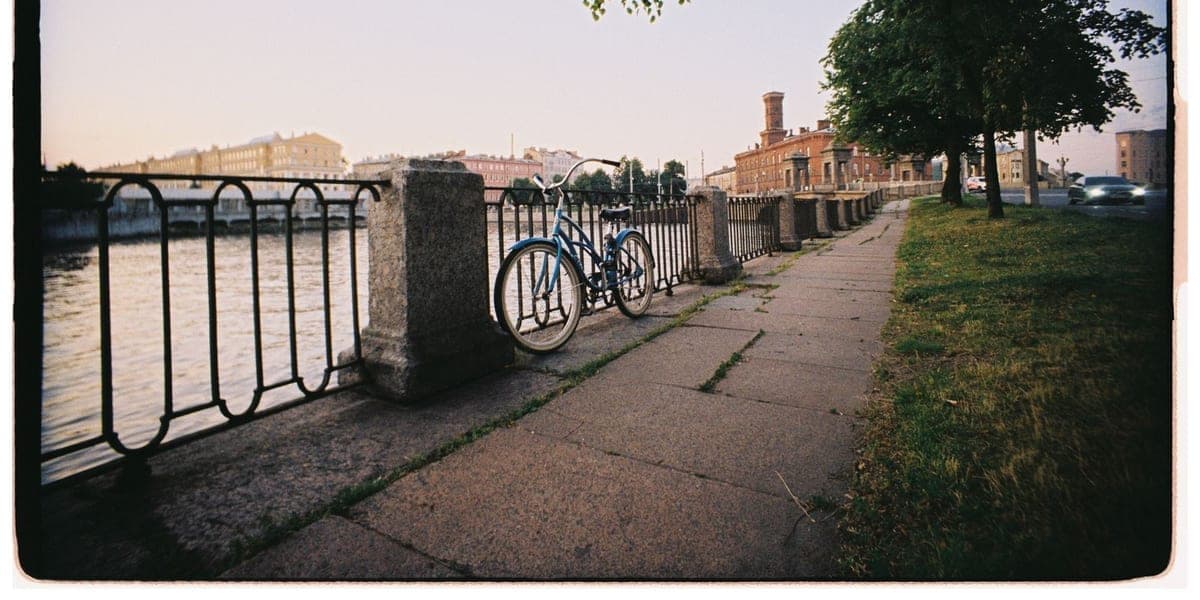
The bicycle is still in the shed, but your last regular ride may have been years ago. Before choosing a distance or downloading a training plan, it helps to separate three questions: is the bike ready, are your riding skills comfortable, and does the route suit you now?
Returning to cycling can begin with a short practice session. The first outing does not need to prove anything about the rider you used to be. It can simply show you what would make the next ride easier.
Decide what you want from riding
Picture an actual use for the bike. You might want a relaxed outing with a friend, a way to reach a nearby park or a different kind of movement in your week. That purpose will influence the bicycle, setting and support you need.
Write the idea in ordinary terms: “I want to enjoy a quiet ride near home.” A speed target or a long route can wait until you know whether that first experience feels appealing.
Also consider the practical start and finish. Can you get the bike out without struggling? Is there somewhere to leave it securely? Would transporting it to a suitable path require help? Solving these questions is part of making cycling accessible, not evidence that you are unprepared.
Check the bicycle before testing yourself
The US National Highway Traffic Safety Administration's bicycle safety guidance, checked in September 2026, emphasizes a bike that fits and works properly, including reliable brakes. It also recommends a correctly fitted helmet for every ride.
If the bike has been stored for a long time, book a check with a competent bicycle mechanic. Describe how long it has been unused and anything that feels loose, damaged or difficult to operate. Ask them to show you the basic checks appropriate to that bicycle.
Bring the questions that matter to you. Can you comfortably reach the controls? Do you understand the gears? Is getting on and off awkward? A shop visit is more useful when it addresses how you will actually use the bike.
A borrowed bicycle still needs to fit its rider. Someone else's comfortable setup is not automatically yours. If you are trying an unfamiliar style, arrange time to learn its controls before joining a group outing.
Make space for a skills refresher
Remembering how to pedal is only one part of feeling comfortable. Starting, stopping, turning and looking around all deserve attention after a long break.
NHTSA recommends practicing away from traffic and considering an on-bike class. A qualified instructor can help you work on the skills you need without the pressure of keeping up with other riders.
Ask what a session involves before booking. Explain that you are returning after a break, and mention any access needs. You may want an individual lesson, a small beginner group or help finding an adapted cycle.
Choose a practice setting where cycling is permitted and where you have enough room without creating a hazard for others. Arrive with the option of spending the whole session on familiarization. A ride around the neighborhood can be a later step.
Choose a route with an easy exit
A route can look short on a map while still containing an awkward junction, steep slope or rough surface. Review the details that could change the experience rather than relying on distance alone.
For an initial outing, consider a place you can inspect beforehand. Find out where it begins, where you can stop and how you would return early. Check whether paths are shared and what local rules apply.
NHTSA advises choosing routes with less and slower traffic, or suitable separated paths. It also advises visibility equipment, including bright daytime clothing and appropriate lights and reflectors when visibility is poor.
Prefer a plan that lets you turn back without feeling you have abandoned an event. An out-and-back route or a small loop may make that easier, depending on the setting. Neither format guarantees safety; the actual conditions still matter.
If a friend is coming, agree on the purpose beforehand. “Please stay with me, and let's be happy to finish early” is clearer than hoping they will guess your preferred pace.
Keep effort separate from distance
The Centers for Disease Control and Prevention's guidance on getting started with activity, checked in September 2026, recommends beginning slowly and building toward more time or more challenging activity.
For the first ride, leave room to notice how the experience feels. You are learning about comfort, confidence and practical barriers as well as effort. A short outing that answers those questions can be useful even if it would not look impressive on a tracking app.
If you have a chronic condition, disability, recent illness or concerns about exercising, discuss suitable activity with your clinician or a qualified activity specialist. Ask about the type and amount of movement that fits your circumstances, especially during pregnancy or while recovering from treatment.
Do not use a generic return-to-cycling schedule to override individual advice. If you feel unwell or develop concerning symptoms, stop and seek appropriate help rather than trying to complete the route.
Pack for the outing you planned
Set out the items you know you will need before leaving: your helmet, a way to contact someone, water appropriate to the trip and any personal medical supplies you normally require. Work out how to carry them securely without interfering with the controls.
Check the forecast and decide in advance what would make you postpone. You do not need your first return ride to double as practice in unfamiliar weather.
Review local cycling rules and keep your attention available for the surroundings. If you need to check directions, choose a safe place to stop. Planning is helpful, but conditions on the day can still require a change.
Use the first ride to improve the second
Afterward, make three short notes: what felt comfortable, what was awkward and what you want to change. Be specific. “The start was too busy” leads to a different plan than “cycling is not for me.”
You might repeat the same setting, arrange a lesson, adjust the bike with professional help or choose a different time. Change one thing at a time where possible so you can tell what helped.
You can also decide that stationary cycling or an adapted option is more appealing. The goal is to find movement that fits your life and abilities. A successful return begins with an experience you can understand and build on.
Photo: Elena Golovchenko / Pexels.