
A personal training session should begin with more than a list of exercises. Before buying a package, you need to know who will coach you, how they work and whether the arrangement fits your life.
That first conversation is also your chance to be specific about what you want. Learning to use the gym independently, building a regular routine and preparing for a particular activity are different requests. A good fit starts with being able to discuss yours openly.
Describe the help you want in ordinary language
You do not need an impressive fitness goal before contacting a trainer. Try a sentence such as “I would like to feel confident using the weights area” or “I can manage two short visits a week and want help deciding what to do.”
Add the practical details that shape that request. Perhaps you have equipment at home, prefer a quiet setting, need clear written instructions or can only attend at lunchtime. These details belong in the conversation from the start.
For example, if your aim is to exercise independently, ask what you will learn to do without the trainer beside you. If you want ongoing coaching, ask how sessions connect across the week. This helps you compare an actual service with your needs instead of choosing based on a dramatic social media clip.
You can also say what you do not want the appointment to revolve around. A weight-focused sales pitch may not suit someone seeking confidence with equipment. Your goals deserve to be heard without being replaced by a standard script.
Check the qualification behind the title
The American College of Sports Medicine's guide to investing in a personal trainer, checked in October 2026, recommends asking about relevant education, recognized certification, continuing education, first aid and CPR, and liability insurance. It also highlights experience working with people whose needs resemble yours.
Ask for the full credential name and issuing organization. Check the current credential through the organization's verification process where available. An unfamiliar string of initials is a starting point for a question, not a reason to feel embarrassed about asking.
If a trainer advertises a specialism, ask what training and experience supports it. “I work with beginners returning after a long break” is useful context, but you can still ask what a first session usually involves for those clients.
A qualification is one piece of the decision. It does not tell you how clearly someone explains a movement or whether you feel comfortable asking for another demonstration. Those things need a conversation and, if available, a trial appointment.
Listen to how they explain the first session
Ask the trainer to describe the beginning of a typical new-client session. Listen for a clear explanation of what information they need, what you will try and how they decide what comes next.
Bring relevant information about health conditions, injuries, symptoms and any existing exercise advice. If you are unsure whether an activity is appropriate, check with your healthcare professional. A trainer should be able to explain when they would seek medical input rather than promise that every situation fits the same plan.
You might ask: “If I do not understand an instruction, how would you help me learn it?” Or: “If something feels uncomfortable, how should I tell you, and what happens then?” A useful answer should make the process easier to picture.
Notice whether the trainer actually responds to the example you gave. If you say that crowded environments make learning difficult, a conversation about quieter appointment times is more informative than reassurance that you will eventually get used to it.
Understand where coaching stops
The American Council on Exercise's personal trainer manual, reviewed here in October 2026, distinguishes exercise programming and coaching from diagnosing conditions, treating injuries and rehabilitation. It describes referral to appropriate healthcare professionals as part of responsible practice.
Ask how the trainer works with advice from a physiotherapist, physician or other clinician when needed. If someone also holds a separate healthcare qualification, clarify which role they are offering and what service the appointment covers.
Nutrition is another area to make explicit. In its 2022 discussion of nutrition scope of practice, ACE explains that exercise professionals can discuss general nutrition while nutrient deficiencies and supplement recommendations require appropriate professional referral.
You can ask whether a package includes product sales or commissions. You do not have to buy a powder or supplement to demonstrate commitment. Check any proposed supplement or medical protocol with your clinician, particularly during pregnancy, while taking medication or with an existing condition.
A trainer who can explain their limits gives you useful information about how they work. Referral is a normal part of a professional relationship.
Make the arrangement concrete before paying
ACSM's guide also suggests clarifying session length, what the price includes, any additional gym fee and whether a longer contract is required. Ask for the terms in writing so you can read them outside the sales conversation.
Work through an ordinary month on your calendar. Include travel time and the occasions when work or caring responsibilities make attendance difficult. Ask what happens if either of you cancels, whether sessions expire and who provides cover when the trainer is away.
For online coaching, clarify whether you are buying live sessions, written programming, recorded feedback or a combination. Ask how questions are handled between appointments. “Support included” can mean several different things.
Choose a commitment you understand and can afford. A smaller initial arrangement may give you enough experience to decide whether continuing makes sense. There is no need to make a large purchase simply because a discount is presented as urgent.
Review what you are learning
After the first few sessions, return to your original sentence. Are you receiving the help you asked for? Can you explain the purpose of the exercises you are practicing? Do you know what you are meant to do between appointments?
For a goal such as gym confidence, useful observations might include remembering how to adjust equipment or knowing which question to ask when a movement is unclear. Agree with the trainer how you will review progress in terms that matter to you.
If the arrangement is not working, give a concrete example. You might need slower explanations, a different session time or a clearer written plan. Their response helps you decide whether an adjustment is possible.
You are choosing an ongoing conversation as well as an exercise service. Look for someone whose qualifications you can check, whose role is clear and whose coaching helps you understand the work you are doing.
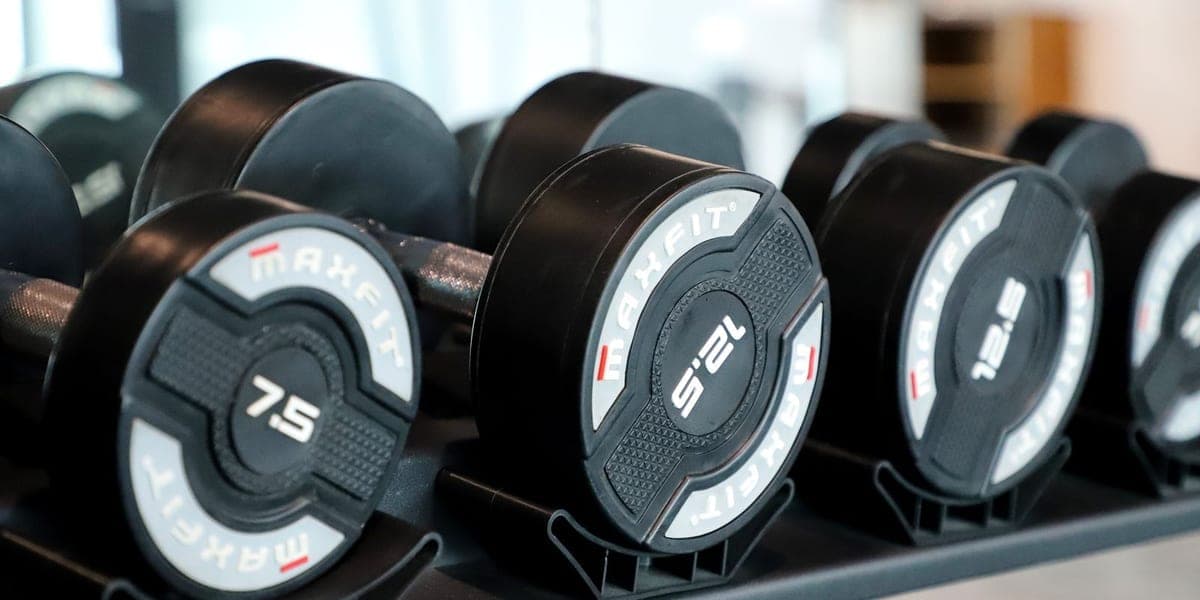
Photo: Sharath G. on Pexels. Image is illustrative, not an equipment endorsement.