
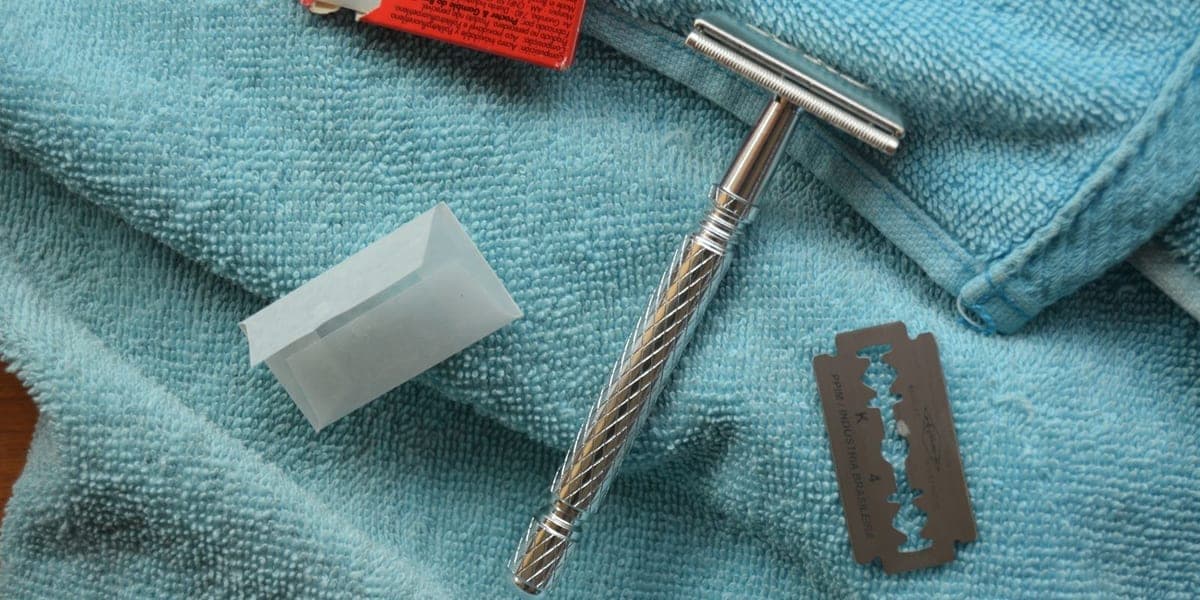
A rushed shave can begin with a dry patch of skin, an old blade and the hope that one more pass will make everything smooth. If irritation keeps following, it is worth looking at the whole routine before buying another product.
Hair removal is a personal choice. You can change how closely you shave, change the method, leave an area alone or stop altogether. The useful goal is a routine that suits your skin and preferences, without making repeated soreness the price of feeling presentable.
Begin with preparation you can repeat
The American Academy of Dermatology's how-to-shave guidance, checked in September 2026, recommends wetting the skin and hair first, such as after a shower, and applying shaving cream or gel. For sensitive or dry skin, it suggests choosing a product labeled for sensitive skin.
Make that preparation possible in the place you actually shave. Put the product where you can reach it before picking up the razor. Check the lighting. Give yourself enough time to notice what the blade is doing.
This is a practical setup question, not a requirement for an elaborate grooming ritual. If your current routine leaves you shaving hurriedly just before you leave the house, consider whether a different time would be easier. A calmer five minutes may be more useful to your decision-making than another step in an already crowded bathroom routine.
If a product repeatedly stings or seems to trigger irritation, stop using it and seek advice about an alternative. You do not need to keep using something simply because the packaging describes it as soothing.
Notice which way the hair grows
The AAD advises shaving in the direction of hair growth and rinsing the blade after each swipe. It also recommends replacing disposable razors or blades after roughly five to seven shaves, and keeping the razor dry between uses.
Before your next shave, look at a small area rather than assuming the direction is identical everywhere. You may find it easier to describe different areas separately: the direction at the side of the leg, for instance, may not match another patch.
Aim for a routine you can observe. Repeatedly going over the same spot makes it harder to tell whether the first pass was adequate or whether you are chasing a level of closeness your skin does not tolerate well. The NHS's ingrown-hair guidance, reviewed in September 2026, advises using as few strokes as possible and avoiding an excessively close shave.
An acceptable result does not have to feel perfectly smooth in every direction. Decide what matters more to you before beginning, rather than making that decision while inspecting the last visible hair.
Separate irritation from a diagnosis
An uncomfortable patch after shaving is a reason to review the routine, but it does not tell you exactly what is happening. Do not assume that every bump is an ingrown hair or that every rash needs the same treatment.
The NHS explains that ingrown hairs occur when hairs grow back into the skin, producing raised bumps that may itch. Coarse or curly hair can make them more likely. They can occur in different hair-removal areas, and waxing, plucking or threading can also lead to them.
If you notice a bump, resist the temptation to dig for a hair. The NHS advises against scratching, picking or squeezing because this can damage skin and lead to infection. A cool, wet cloth after shaving may help with irritation.
You do not need to assemble a collection of acids, scrubs and spot treatments to respond. If you are unsure which product is appropriate, ask a pharmacist or dermatologist. Describe the symptom and the routine rather than arriving with a diagnosis borrowed from a photograph online.
Give a recurring problem some useful context
If the same area repeatedly becomes uncomfortable, make a brief record before changing several things at once. Note the area, the method used, the product, and when the symptoms appeared.
A photograph may help you describe a change at an appointment, if you are comfortable taking one. Keep intimate images private and share them only through a care provider's appropriate channel when needed.
Useful questions include: Does this happen after every shave or only sometimes? Is the problem itching, burning, bumps or a combination? Have you changed the razor, shaving product or other skin-care products recently? Does leaving the area alone change what you notice?
These observations cannot prove which ingredient or action is responsible. They can, however, make a conversation more specific than “My skin hates shaving.” Bring the actual product names if possible, since “sensitive” and “gentle” do not identify a formula.
Make room for a different approach
The AAD's 2022 advice on preventing razor bumps, checked in September 2026, includes stopping shaving as an option and recommends dermatology help when bumps persist. Recurrent problems can need a tailored approach, particularly when marks or scarring are developing.
That discussion can include whether a less-close trim or another method would suit you. A different method is not automatically irritation-free, and a treatment offered in a salon is not necessarily appropriate for every skin type or circumstance.
There is also no requirement to turn a pause into a permanent decision. You can choose not to shave an area while deciding what comes next. If workplace grooming expectations are part of the problem, ask about the process for discussing a medical accommodation when appropriate.
Know when care should come before grooming
Contact a clinician if an area becomes very painful, hot or swollen, or if you develop fever, chills or feel unwell. The NHS identifies these as reasons to seek assessment for possible infection. Continuing to experiment with hair removal is not the next step in that situation.
For milder but recurring irritation, a planned appointment can help you avoid cycling through products without a clear explanation. Ask what the clinician thinks is happening, which routine changes are appropriate, and when to return if it does not improve.
The next shave can then begin with a clearer plan: suitable preparation, a cared-for tool, realistic expectations about closeness, and permission to stop when your skin needs attention.
Photo: Antonio Arcila on Pexels. Illustrative still life, not a blade-storage recommendation.