
When your face feels hot or stings after washing, adding another product can seem like the next sensible step. With rosacea, a more useful question is often whether your daily routine is comfortable enough to keep using. There is no prize for tolerating a cleanser that hurts or for assembling the longest shelf of calming products.
Skin care can support a rosacea treatment plan, but it cannot establish the diagnosis or replace treatment you need. A manageable routine starts with knowing what you are treating, keeping the basics gentle and leaving room to notice how your skin responds.
Begin with a diagnosis, not a color chart
Rosacea does not look identical on everyone. The American Academy of Dermatology's symptom guide, checked in October 2026, describes flushing, persistent color changes, bumps, burning and sensitivity. Changes may appear red on lighter skin or brown or violet on darker skin.
In its 2023 guidance on rosacea in skin of color, the AAD notes that early signs can be harder to recognize. Warmth or sensitivity may be worth discussing even when redness is not obvious.
A product label cannot tell you whether a new rash is rosacea. If symptoms persist, arrange an assessment rather than building a routine around a photograph that happens to resemble your face.
Bring a short description of what you notice: where it happens, how it feels, whether it comes and goes, and which products you use. If a flare has settled by appointment day, a photograph taken during it may help you explain the change. Describe discomfort as well as appearance.
Give cleansing a modest job
The AAD's 2024 rosacea skin care guidance recommends gentle cleansing with fingertips, rinsing and patting dry. It advises avoiding scrubbing and exfoliation, using moisturizer and choosing products suited to sensitive skin, including fragrance-free options.
Cleansing does not need to feel dramatic. A tight, polished sensation is not the goal. Think of the step as removing what needs removing, then moving on.
Look at the tools as well as the cleanser. A crowded bathroom may contain a brush, textured cloth, scrub and several acids, all offering a more thorough clean. If your plan is gentle care, those purchases do not all need a role.
If prescribed treatment is part of your routine, ask how it fits with cleansing and moisturizer. Write down the order your clinician recommends, particularly when directions on different packages seem to compete. Follow the prescribed instructions rather than combining routines from several online demonstrations.
Make moisturizer easy to use
The same AAD guidance recommends moisturizing even when skin is oily. That gives moisturizer a practical place in the routine without requiring an expensive collection.
Choose with your actual mornings and evenings in mind. Is the packaging easy to open? Can you afford to replace it? Does the texture suit you well enough that you will use it as directed? Those questions help narrow a shelf full of products making similar promises.
Keep a record of the exact product name rather than just the brand. One brand may sell several formulas with very different ingredients. If you need professional advice about a reaction, the label is more useful than a description such as the cream in the blue pot.
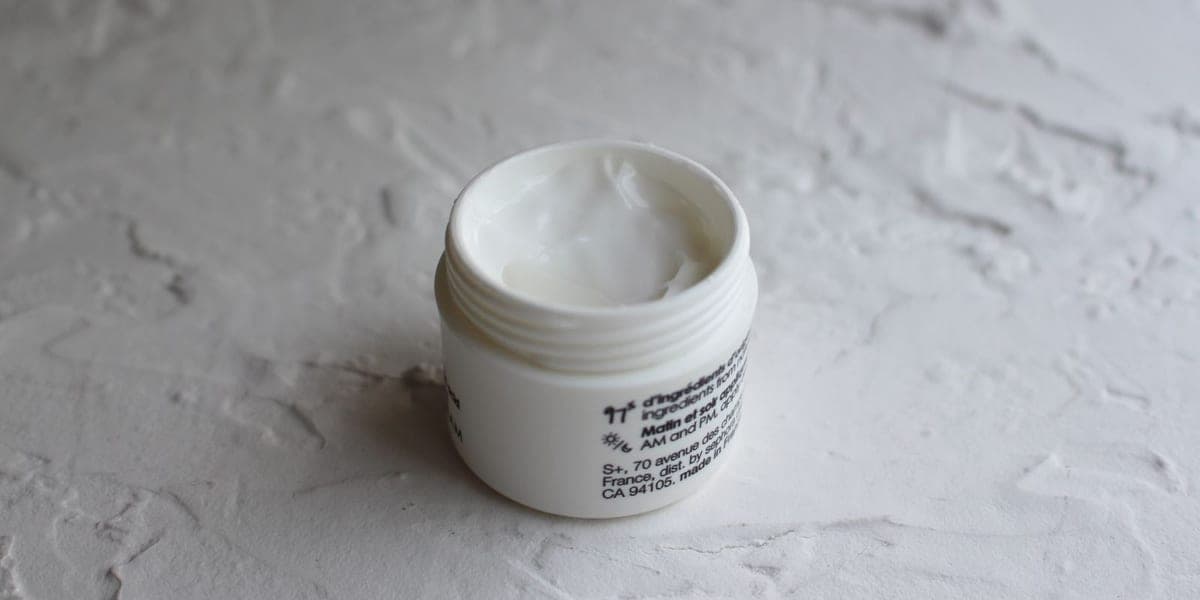
An illustrative photograph or an appealing jar is not an endorsement of a formula. The right choice depends on what your own skin tolerates and the advice that accompanies your treatment.
Plan sun protection around your day
In its 2024 guidance, the AAD recommends broad-spectrum, water-resistant sunscreen with SPF 30 or higher, alongside shade and protective clothing. It highlights zinc oxide and titanium dioxide as sunscreen ingredients that may be better tolerated by rosacea-prone skin.
Translate that into the situations you actually face. A long outdoor lunch, a walk to work and gardening all deserve a plan you can follow. Put a hat where you will remember it, and read the sunscreen directions before you leave the house.
If sunscreen repeatedly stings, tell your dermatologist which products you tried and what happened. Do not assume the discomfort means you must abandon sun protection. That conversation can focus on finding an approach you can use consistently.
Learn your triggers without banning everything
The AAD's trigger guidance, checked in October 2026, explains that triggers differ between people. Heat, sunlight, certain foods or drinks and stress can be relevant, but another person's list is not automatically yours.
A brief diary can be an organizing tool. Note the date, symptoms and circumstances when something noticeable happens. You might record a hot room, a new product or time outdoors. Keep the notes factual rather than trying to prove a theory after one episode.
Take that record to an appointment if a pattern seems important. A clinician can help you decide which changes are worth trying and which restrictions would add effort without a clear reason.
Exercise need not disappear from your life. The AAD suggests adapting conditions, such as choosing cooler surroundings or adjusting intensity when heat triggers symptoms. Think about a workable alternative to the situation that bothers you, rather than treating every enjoyable activity as a potential problem.
Keep treatment and skin care connected
The AAD's diagnosis and treatment guidance, checked in October 2026, describes care tailored to the features of an individual's rosacea. Medication, procedures and ongoing skin care can have different jobs.
At a review, ask what the treatment is intended to improve and when you should expect reassessment. Ask what to do if it irritates your skin. Check any new active ingredient or treatment protocol with your clinician, especially during pregnancy, while taking medication or with another skin condition.
A basic written plan might list your cleanser, moisturizer, sun protection and prescribed treatments with their instructions. That makes it easier to spot an accidental addition or explain the routine at your next visit.
Mention eye symptoms too
Rosacea can involve the eyes. The AAD's guidance on why treatment matters, checked in October 2026, stresses that eye involvement needs treatment to help prevent damage.
Tell a clinician about gritty, irritated or unusually watery eyes rather than assuming the issue belongs only to your skin. Eye pain or new changes in vision need prompt urgent assessment.
A useful routine should make daily care less confusing. Keep the steps understandable, bring persistent discomfort to your clinician and judge progress against your own treatment goals, not someone else's unfiltered or filtered photograph.
Photograph: Yulia Shapereva on Pexels.