
A new moisturizer can be a welcome addition to a routine, but applying several new products at once makes it difficult to understand what your skin likes. A small-area trial offers a more cautious introduction. It is also important to understand what that trial cannot tell you.
People often call any at-home product trial a “patch test.” In dermatology, medical patch testing has a more specific purpose and method. Separating the two helps you follow sensible product guidance without assuming you have diagnosed an allergy or proved a formula safe for every use.
What a small-area trial involves
The American Academy of Dermatology's 2021 guidance on testing skin care, checked in September 2026, suggests applying a product to a small spot twice daily for seven to ten days. It describes a quarter-sized area, such as the underside of the arm or elbow bend, using the amount normally applied.
For a rinse-off product, follow its usual contact time and instructions rather than leaving it on like a cream. If a reaction develops, the AAD advises gently washing it off and stopping use. Persistent or severe reactions need professional assessment.
This general guidance is not permission to override a medicine label, a clinician's directions or a product-specific warning. If a formula has a different permitted frequency or needs special handling, ask a dermatologist or pharmacist how to introduce it appropriately. Do not test products on broken or already irritated skin without advice.
Start with a clear reason for the purchase
Before opening the package, write down what you want the product to do. Perhaps you are replacing an empty cleanser or trying a different texture. That reason helps you decide whether the product is useful once the initial novelty passes.
Keep the ingredient list and directions. Take a photograph while the print is readable, especially if you normally discard the outer box. Record the exact product name, because similarly named versions may contain different formulas.
You need not create a detailed skin diary. A note with the start date, test location and product is usually easier to maintain than an elaborate scoring system. The aim is to make your experience describable if you later need advice.
Avoid introducing a whole routine together
If you change the cleanser, serum and moisturizer on the same evening, a reaction leaves several possible products to discuss. Introducing one change at a time gives you a clearer record of what happened.
That is an organizational choice, not a guarantee that you will identify the cause yourself. Even a carefully recorded reaction does not tell you which ingredient was responsible. Keep your conclusions modest: “This happened after I used this product” is useful information.
Do not deliberately repeat a product that caused a reaction to prove your theory. Put it aside, keep its details and ask for advice. The price of the bottle or enthusiasm of its reviews does not create an obligation to keep using it.
A quiet trial does not answer every question
A small-area trial gives information about that exposure. It cannot certify that a product will never irritate another area, remain suitable indefinitely or work well alongside everything else you use.
Keep following the directions when introducing it to the intended area. Pay attention to comfort and any changes rather than treating the completed trial as permission to use more. A product that you tolerate is also not automatically effective for the result you hoped to achieve.
If you are treating a diagnosed condition, discuss additions with the clinician managing it. The same applies before starting a treatment protocol during pregnancy, while using medicines or with another relevant condition. General beauty advice should fit around your care rather than replace it.
How medical patch testing differs
In its explanation of medical patch testing, accessed in September 2026, the AAD describes a clinician applying selected allergens under patches, usually on the back. The patches are generally left in place for 48 hours, with later readings because reactions can take time to appear.
This assesses delayed allergic skin reactions. It differs from skin-prick testing for immediate reactions and from trying a finished cosmetic on your arm. A dermatologist selects and interprets the tests in the context of your history.
If medical patch testing is suggested, ask about appointment timing and restrictions on washing, sweating or disturbing the patches. Follow the clinic's own instructions. Tell the team about work or caring responsibilities that might make the schedule difficult so you can plan realistically.
Bring observations to the appointment
Describe what you noticed, where it appeared and how long after application it began. Bring photographs if you have them, along with the product details and a list of other items used on the area.
Mention prior reactions, even if you never learned their cause. Avoid editing the account to fit an ingredient you suspect. The clinician may need to consider several possibilities, and an accurate history is more helpful than certainty you do not have.
Ask what to use while the skin recovers and when to seek further help. For trouble breathing or rapid swelling of the lips, tongue or throat, seek emergency care. Do not wait to complete a product diary or an at-home trial.
Turn the result into a practical decision
If the product is comfortable and appropriate for your needs, decide whether its texture, cost and place in the routine work for you. You can choose not to continue using it simply because you do not like it.
If a clinician identifies an allergy, ask for clear ingredient-avoidance guidance and how to check future purchases. A list you can use at the shop is more practical than trying to memorize unfamiliar chemical names.
Keep the process small: one product, clear instructions and a record you can understand. Careful introduction is a useful habit, while medical assessment remains the route for investigating persistent or unexplained reactions.
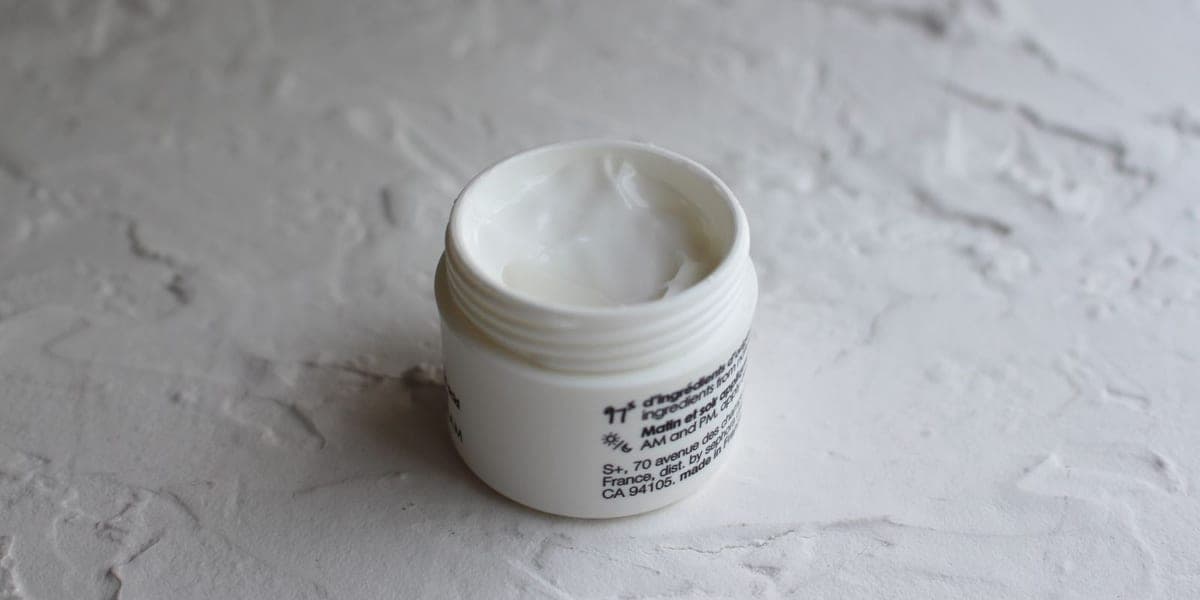
Photo: Pexels. The pictured product is illustrative, not a recommendation.