
A bottle says “unscented.” Another says “fragrance-free.” A third promises to be “hypoallergenic.” When your skin has been uncomfortable, these words can feel like a shortcut to the right choice.
They are useful clues, but they do not all mean the same thing and none can predict exactly how your skin will respond. Reading the front label alongside the ingredient information, your own history and appropriate professional advice gives you a more practical way to choose.
Start with the distinction that is easy to miss
The American Academy of Dermatology's skin-care guidance, checked in September 2026, recommends mild, fragrance-free products for sensitive skin. It cautions that some products labeled unscented contain masking fragrances.
In other words, little or no noticeable smell does not establish that a product contains no fragrance-related ingredients. Smelling a tester cannot replace reading the label.
That does not mean every unscented product will cause a problem or that every person needs to avoid fragrance. It means the word is a poor substitute for the specific information you need if fragrance is a known concern for you.
When shopping, pause before treating two similarly packaged products as interchangeable. Read the exact claim, then turn the container around. A brand's overall reputation does not tell you the ingredients in every formula it sells.
Treat hypoallergenic as a claim, not a guarantee
The FDA's explanation of hypoallergenic cosmetics, checked in September 2026, says there is no federal standard or definition governing the term in the United States. Manufacturers are not required to submit evidence supporting that claim to FDA.
A product carrying the word can still cause an allergic reaction. The claim also does not identify which ingredient, if any, you personally need to avoid.
This is a good moment to separate the shopping question from the health question. “Which bottle sounds gentler?” is not the same as “What is causing this recurring rash?” The latter may need an assessment rather than another purchase.
If you already have a diagnosed allergy, use the avoidance guidance your clinician gave you. A broad front-label promise should not override a specific ingredient concern.
Use the ingredient list as a record
The FDA's information on cosmetic allergens, checked in September 2026, notes that fragrances are only one group of possible cosmetic allergens. Others include certain preservatives, dyes, metals and natural rubber. It also advises looking beyond claims such as fragrance-free or suitable for sensitive skin.
You do not need to memorize every unfamiliar ingredient. Start by making the information available. Take a legible photograph of the complete list, the product name and any relevant package details.
If the print is difficult to read, use magnification or ask for help. Online ingredient lists can assist, but compare them with the package you actually own. Keep track of the specific version, since similarly named products can differ.
A long chemical name is not proof of danger, and a familiar plant name is not proof of suitability. The useful question is whether an ingredient is relevant to your circumstances, not whether its name sounds natural.
Make an online comparison concrete
Suppose you are comparing two moisturizers because one you used recently felt uncomfortable. Instead of opening many reviews, collect the same small set of information for each candidate: the full name, the claim on the front, the ingredient list and the directions.
Put any known personal restrictions first. If your clinician has identified an ingredient to avoid, that is more useful than a popularity rating. If the listing does not show the complete label, ask the manufacturer for it.
Reviews can describe texture or packaging, but they cannot diagnose your reaction. A stranger's report that a product is gentle or irritating may reflect a different skin condition, a different routine or a different formulation.
You also do not have to decide immediately. Saving the label for a pharmacist or dermatologist to review may be a better next step than buying several alternatives and losing track of which one you tried.
Describe a reaction without guessing the cause
If a product seems to cause a reaction, stop using it and seek advice when symptoms are significant, persistent or recurring. Record what happened in plain language: itching, burning, swelling, a rash, and when each began.
FDA guidance recommends discussing suspected reactions with a healthcare professional, who may recommend testing to identify an allergy. Breathing difficulty or rapidly developing swelling of the lips, tongue or throat needs emergency care.
For a routine appointment, bring product names and the ingredient photographs. Mention where you applied the product and other products used in the same area. A cleanser, moisturizer, makeup and hair product can all be part of the story.
Do not deliberately recreate a substantial reaction to prove which product caused it. Let the clinician decide what testing is appropriate. A symptom diary should support care, not become a reason to keep exposing uncomfortable skin.
Ask for an avoidance plan you can use
If an allergy is identified, ask the clinician to explain how it may appear on labels and whether any related names matter. Ask what to do when a label is incomplete or you are unsure about a product.
Write down who to contact for follow-up and what improvement or ongoing symptoms should prompt another visit. It is reasonable to ask for written instructions if the ingredient names are difficult to remember.
For people without a diagnosed allergy, the aim is still a manageable routine. You do not need to build a permanent blacklist from a single episode of discomfort. Nor should you dismiss recurring symptoms because a package describes itself as sensitive-skin friendly.
At the shelf, the next step can be simple: read the exact wording, find the actual ingredients and connect them with what you know about your skin. The label becomes a source of information instead of a promise you have to trust without question.
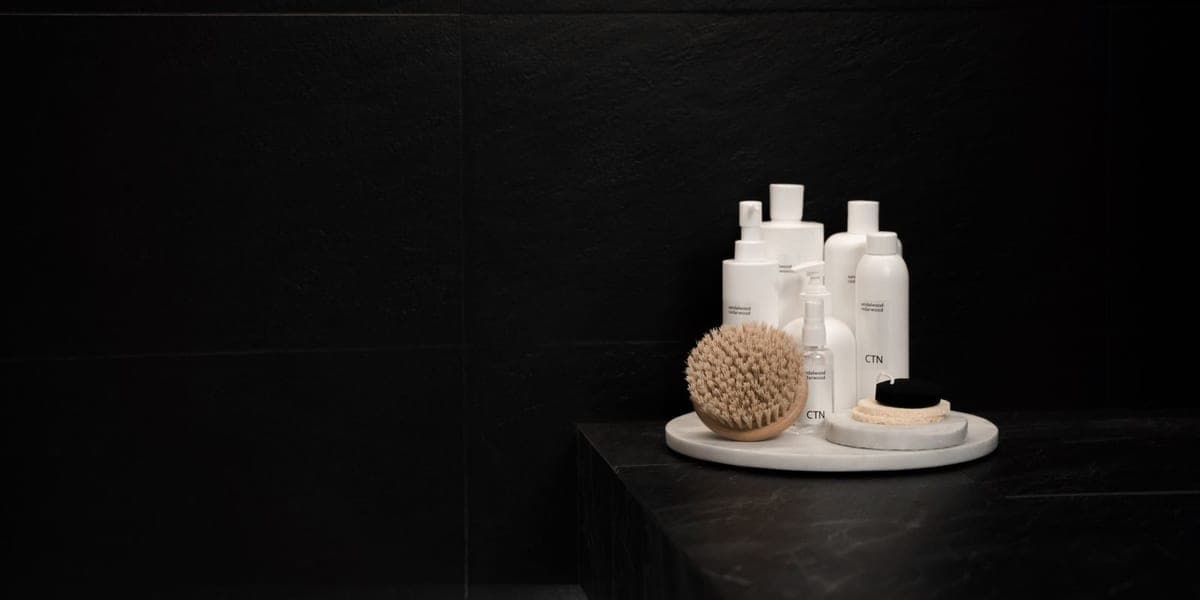
Photo: Ron Lach on Pexels. Illustrative photograph; pictured products are not presented as fragrance-free or recommended.