
A nail that keeps catching on fabric can turn an ordinary day into a series of small irritations. It is tempting to reach for a strengthening treatment or cover the problem with polish. Sometimes the more useful starting point is to look at what your hands do all day and how you care for them between manicures.
Everyday nail care does not need a large product collection. Gentle grooming, protection during chores and attention to new changes are a practical foundation. Persistent pain, swelling or changes in appearance deserve assessment rather than repeated attempts to hide them.
Notice the daily wear
Think about the tasks that repeatedly involve your hands: washing dishes, cleaning, gardening, opening packaging or working with tools. You may discover that the same nail takes the strain every time.
The American Academy of Dermatology's healthy-nail guidance, checked in September 2026, advises keeping nails clean and dry, avoiding nail biting and not using nails as tools. It also recommends gloves for wet chores and moisturizing after handwashing.
Choose one task where a small change would be easy. Keep a proper package-opening tool where parcels usually arrive, or put suitable cleaning gloves beside your supplies.
The point is to change the task before the nail is damaged again. A reminder to be careful is less useful than having the right tool available when you need it.
If gloves are uncomfortable or difficult to put on, try to identify why. Fit, material and the work involved all matter. Follow any workplace requirements and seek advice if a material seems to irritate your skin.
Keep grooming straightforward
The AAD recommends trimming nails straight across, slightly rounding fingernail tips and filing rough edges with an emery board. Leave the cuticles alone rather than cutting or aggressively pushing them back.
Set aside a short, well-lit moment for grooming instead of tearing off a snag when it catches your attention. Keep your personal tools together so you can find them without improvising.
Choose a nail length that works with your daily tasks and is comfortable for you to maintain. You do not need to follow a particular shape or trend for the routine to be useful.
If reaching your feet, seeing clearly or controlling the tools is difficult, ask about appropriate assistance. People with diabetes or poor circulation should seek professional advice about nail problems rather than attempting difficult trimming or treatment themselves.
Take your time. A maintenance routine that becomes painful is a reason to stop and reassess what you are doing.
Pair hand care with something you already do
Remembering a new habit is often the awkward part. You might already moisturize your hands after washing or before bed. Use that moment to notice whether nails have developed rough edges or whether the surrounding skin is uncomfortable.
In its manicure and pedicure safety guidance, checked in September 2026, the AAD recommends moisturizing nails, particularly after polish removal.
Keep the product you use where it is practical to reach. This can be a simple cream that suits your skin rather than a separate item for every part of the hand. If a product causes irritation, stop using it and seek advice if the problem persists.
A quick check should not become a search for flaws. You are looking for changes that affect comfort or need attention, not trying to make every nail look identical.
If you use reminders, make them concrete: file the snag, put gloves by the sink or check the appointment date. Broad instructions to improve nail health are harder to act on.
Ask clear questions at the salon
A salon appointment is also an opportunity to discuss care. The AAD recommends checking that workstations are clean and asking how tools are cleaned. Appropriate qualifications or licensing requirements depend on the location.
Before the service begins, say if you do not want cuticles cut or forcefully pushed back. Ask which products will be used and how they should be removed. If you are uncertain about a step, ask for an explanation before it happens.
You can also ask what discomfort would be unexpected and who to contact if a reaction develops. A useful answer should explain the next step, rather than asking you to tolerate pain for a cosmetic result.
Do not use artificial nails to conceal an unexplained nail problem. The AAD warns that covering problems this way can make them worse. Have the change assessed before deciding whether another cosmetic service is appropriate.
You are allowed to postpone an appointment if the setup or answers do not feel satisfactory. The booking is not a commitment to proceed with every proposed treatment.
Bring new changes to a professional
A change in color, texture or attachment does not identify its own cause. Neither a photograph on social media nor a product advertisement can reliably explain what is happening to your particular nail.
The AAD advises seeing a dermatologist for nail changes, swelling or pain. This is especially important when diabetes or poor circulation is present.
Describe when you first noticed the problem, whether one nail or several are affected, and whether there was an injury, manicure or new product beforehand. Keep the names of products used at a salon if you can.
A dated photograph may help you communicate a gradual change, but taking photographs should not delay care. Ask how soon you should be seen when symptoms are painful, worsening or otherwise concerning.
Avoid starting a supplement simply because a nail looks brittle. Check supplements and any treatment protocol with your clinician, especially during pregnancy, when taking medicines or when you have another condition. The appearance alone does not establish a nutrient deficiency.
Make the routine small enough to maintain
Start with one practical adjustment this week. You might stop using a thumbnail to open packages, keep an emery board accessible or arrange advice about a change you have been covering with polish.
Review whether the adjustment actually fits your day. If the gloves stay in a cupboard you never open, move them to the work area. If you cannot safely manage grooming, asking for help is part of the routine.
Healthy nail care is not a demand for permanently polished hands. It is a way to make daily tasks more comfortable, avoid avoidable damage and give persistent changes the attention they need.
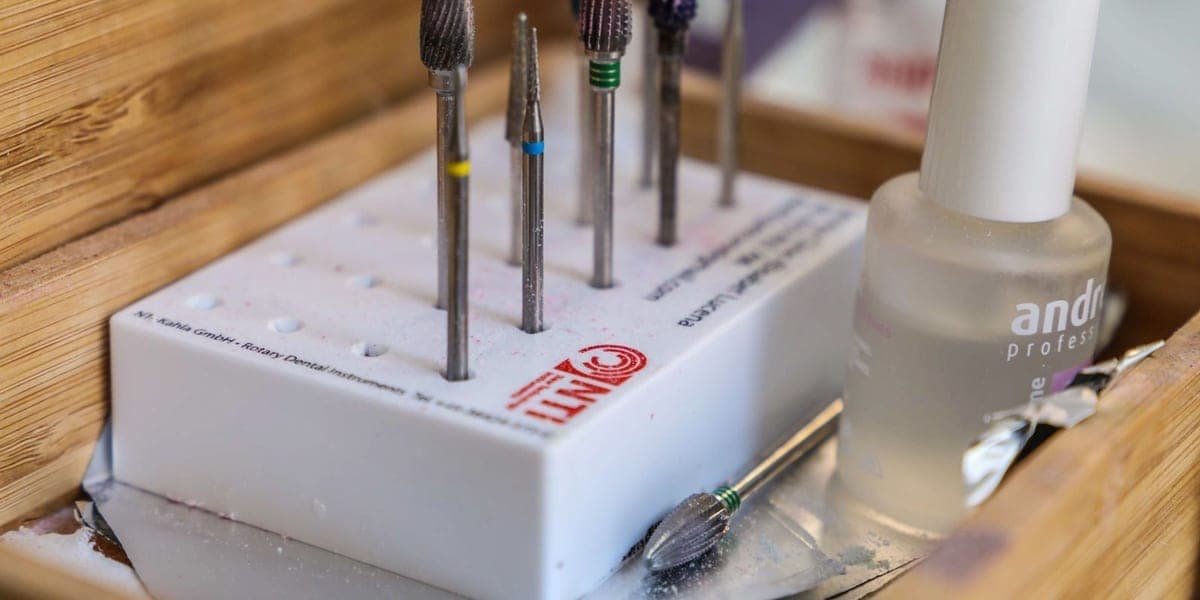
Photo: Pexels. Tools shown are illustrative, not a recommendation for home use.