
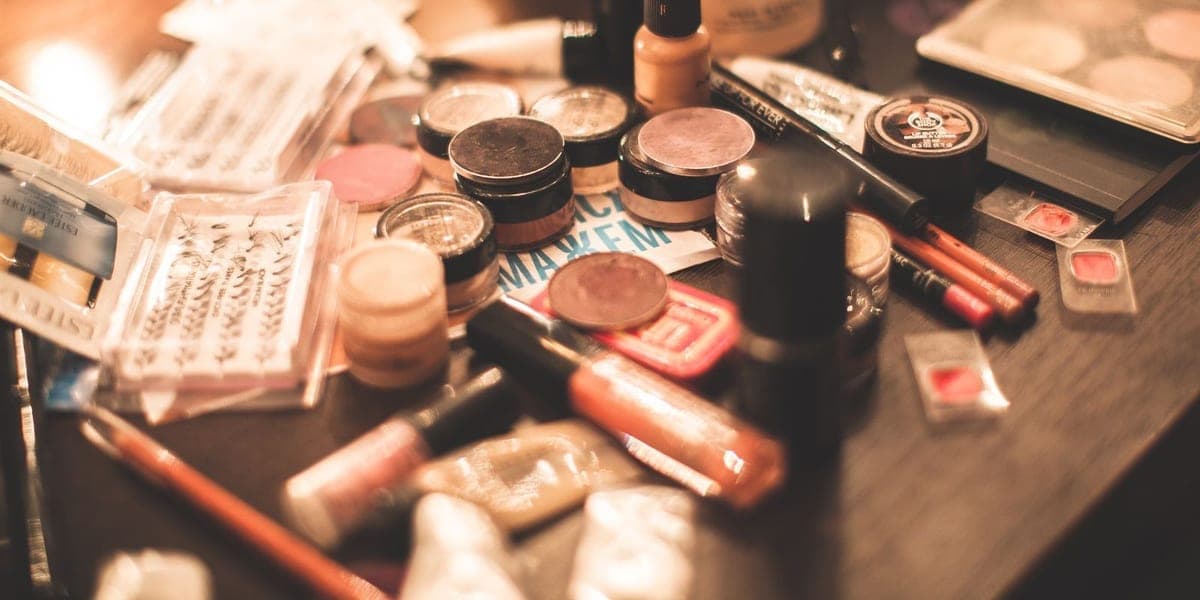
There is often a small museum at the back of a bathroom cupboard: the lipstick saved for a wedding, a half-used cream from a trip and a mascara whose opening date belongs to another season. Deciding what to keep gets easier when you stop trying to remember a universal timetable for every product.
Shelf life depends on the formula and how the product has been handled. A useful cupboard check brings together the manufacturer's directions, what you know about its history and any signs that it has changed. It also gives the products you actually use a place where you can find them.
Read the specific product first
The FDA's explanation of cosmetic shelf life, checked in October 2026, says that ordinary cosmetics in the United States are not required to display expiration dates. Manufacturers remain responsible for their products' safety. The agency also explains that heat, moisture, air exposure and changes in preservatives can affect how a product holds up.
An absent date therefore does not mean an unlimited life. Look over the container and any box you still have for storage guidance, a stated expiry or instructions about use after opening. If a symbol or code is unclear, ask the manufacturer what it means for that exact product.
Take a picture of directions printed on packaging you plan to discard. A folder named for the product makes them easier to retrieve than a general camera roll full of tiny labels.
An opening date and a purchase date answer different questions. Record both when you can, clearly labeled. That small distinction helps if customer service later asks how long the product was sealed and how long it has been in use.
Make three decisions, one product at a time
Set out a few products on a clear surface, rather than emptying every drawer at once. For each, decide whether you have enough information to keep using it, need to ask a question, or should discard it according to its directions or condition.
The middle group should lead to an action. Photograph the product name and batch code, then contact the company. A batch code can help identify the product, but it is not necessarily an expiry date you can confidently decode yourself.
For an old product with no useful history, be honest about the uncertainty. A remembered holiday or receipt may narrow down when you bought it. It cannot tell you exactly how the formula has held up. You do not need to use something one more time simply because there is a lot left.
Keep this review separate from the shopping list at first. Removing five forgotten items does not mean replacing five items. You may discover that one familiar moisturizer or two regularly used makeup products cover what you want.
Give eye makeup its own check
Eye cosmetics deserve particular attention. In its eye cosmetic safety guidance, checked in October 2026, the FDA notes that manufacturers commonly recommend replacing mascara two to four months after purchase. Follow the product's instructions rather than treating a generic internet chart as permission to keep it longer.
Discard dried mascara instead of adding water or saliva. The FDA warns that this can introduce bacteria, and water can dilute the preservative. If an eye product causes irritation, stop using it; seek medical advice if irritation persists. Eye cosmetics used when an eye infection occurred should be discarded.
For your next mascara, put its purchase date in a phone note before the receipt disappears. Add the manufacturer's replacement advice beside it. If you buy several at once, distinguish the unopened stock from the one currently in use.
A special-occasion makeup bag is easy to overlook because you rarely open it. Include it in the same review as everyday products. A tube does not acquire a fresh history when it moves from your bathroom to a travel pouch.
Storage is part of using the product
The FDA's general cosmetic safety guidance, checked in October 2026, recommends clean, tightly closed containers protected from temperature extremes. It also advises washing hands before use, not sharing makeup, and discarding products when their color or smell changes.
Make those instructions fit your room. If your usual spot is a sunny windowsill or a bag left in a car, choose another location consistent with the label. A convenient drawer can be easier to maintain than an elaborate display.
Put the lid back where you can see it while applying the product. Give your frequently used items enough space that closing a jar does not require balancing it between several other bottles. Good organization here serves the product directions rather than a particular bathroom aesthetic.
Changed appearance or smell is a reason to stop and check, but a familiar smell is not a guarantee that an old product is safe. Avoid trying to rescue questionable formulas by mixing them with a newer product. Keep the manufacturer's packaging and directions attached to the decision.
Treat sunscreen as a separate product category
Sunscreen needs a different check from an ordinary face cream. The FDA's sunscreen guidance, checked in October 2026, says not to use sunscreen after its expiration date. For sunscreen without an expiration date, the agency advises considering it expired three years after purchase.
Record the purchase date if there is no printed expiry. Check sunscreen in bags, cars and holiday supplies as well as the bathroom. Storage instructions still matter; a date is not a reason to ignore a bottle's handling history.
If you need help understanding the rest of the label, our sunscreen label guide covers the protection claims separately. The shelf check answers whether this is a product you should still be using.
Make the next check less work
Keep a small note with the product, purchase date, opening date and any manufacturer instructions you needed to look up. There is no need for a detailed inventory of every cotton pad or accessory.
When you finish something, decide whether you want it again before buying a backup. Buying fewer speculative replacements can leave you with less history to reconstruct later.
A workable cupboard is one where the products have clear directions, a known place and a history you can reasonably follow. Start with the oldest unfamiliar item and the eye makeup you use most often. That is enough to make today's check useful.
Photo: Lina Kivaka on Pexels. Image is illustrative.